Salted honey cookies are the ultimate balance of rich, buttery sweetness and sophisticated savory notes. If you have been searching for a cookie that boasts a deeply caramelized edge, a distinctively chewy center, and a beautiful glossy, cracked surface, your search ends here. This recipe delivers a bakery-quality masterpiece right from your home oven.
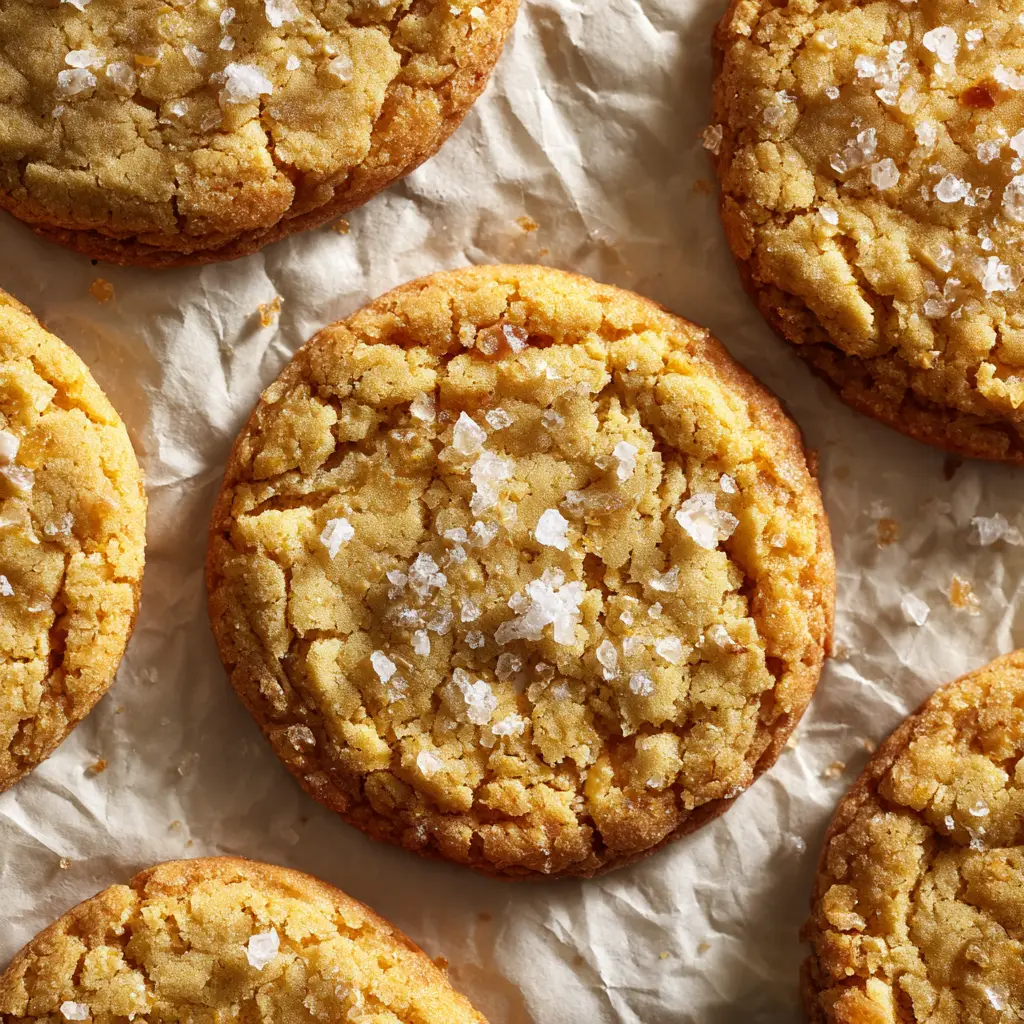
Every bite of these golden brown blonde cookies offers a symphony of textures. The honey acts as a natural humectant, locking in moisture to ensure that coveted soft interior. Meanwhile, the strategic baking process encourages the edges to crisp up and caramelize against the hot pan.
Finished with a generous sprinkle of large, coarse crystalline flakes of sea salt, these cookies look as stunning as they taste. They are designed to rest beautifully on a sheet of crinkled white parchment paper, making them an aesthetic dream for any dessert platter.
Why These Salted Honey Cookies Outshine the Rest
Achieving the perfect cookie texture is an exact science, and these salted honey cookies are meticulously formulated for success. You will love how easily this dough comes together.
- Glossy, Cracked Centers: The specific ratio of honey to granulated sugar creates a naturally shiny, crinkled top that looks incredibly professional.
- Caramelized Crispy Edges: A slightly higher baking temperature ensures the butter and sugars crisp up at the perimeter before the center fully sets.
- Chewy Moisture Retention: Honey is the secret ingredient that keeps these cookies soft and chewy for days on end.
- Sweet and Salty Harmony: The bold crunch of coarse flaky sea salt cuts through the richness, elevating the flavor profile completely.
Foundational Elements for Glossary Crinkle Cookies
Every ingredient in this recipe serves a specific structural and flavor purpose. Using high-quality components will yield the most visually striking results.
Pure Liquid Honey: You need 1/4 cup (85g) of standard clover or wildflower honey. This acts as a binder and humectant, promoting that signature glossy, cracked surface.
Unsalted Butter (Melted): Using 1/2 cup (113g) of melted butter ensures a dense, chewy center. Melting the butter creates a fudgier texture rather than a cakey one.
Dark Brown Sugar & Granulated Sugar: A blend of 1/2 cup (100g) dark brown sugar and 1/2 cup (100g) white sugar provides the perfect balance. Brown sugar offers molasses for chewiness, while white sugar aids in creating crispy caramelized edges.
Large Egg & Vanilla Extract: One room-temperature egg binds the dough, while 1 tsp (5ml) of pure vanilla extract enhances the floral notes of the honey.
All-Purpose Flour: Exactly 1 3/4 cups (210g) provides the necessary gluten structure. Measuring by weight prevents the cookies from becoming too thick or dry.
Baking Soda: Using 1/2 tsp (3g) gives the cookies their initial rise in the oven before they strategically fall, creating those deep aesthetic cracks.
Coarse Flaky Sea Salt: Reserve 1 tbsp (15g) of large crystalline flakes (like Maldon) for finishing. This provides the crucial visual crunch and flavor contrast described in our culinary blueprint.
Essential Tools for the Perfect Bake
Proper equipment ensures your cookies bake evenly and release perfectly. Gather these tools before you begin mixing your dough.
You will need a large aluminum baking sheet, which conducts heat perfectly for crispy golden edges. Line it with a sheet of crinkled white parchment paper—the crinkling actually helps air circulate slightly underneath the cookie, preventing burnt bottoms.
A standard 2-tablespoon spring-loaded cookie scoop is highly recommended for uniform portioning. Finally, a wire cooling rack is essential to stop the residual baking process once they leave the oven.
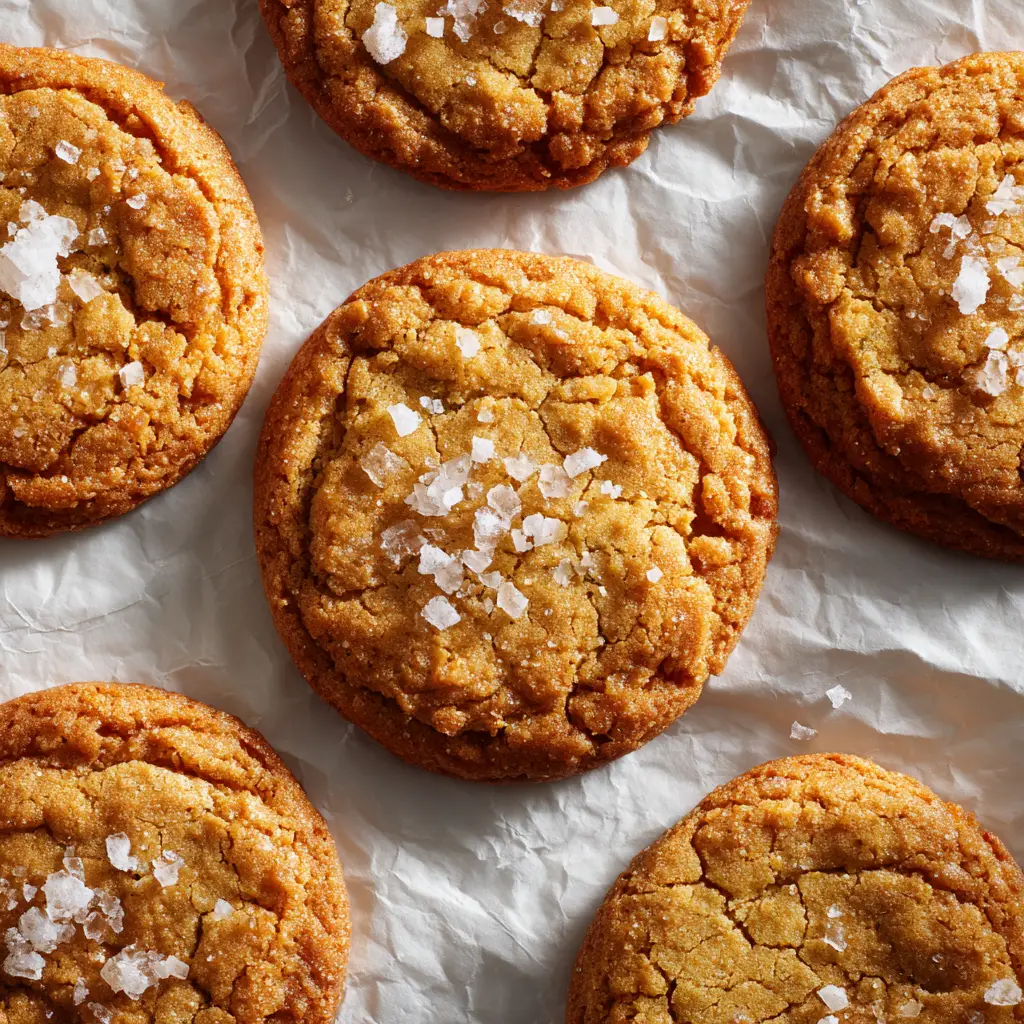
Mastering the Glossy, Cracked Centers: Step-by-Step
The method matters just as much as the ingredients when aiming for visually stunning cookies. Follow these precise sensory cues to guarantee success.
Mixing the Wet Ingredients
In a large mixing bowl, aggressively whisk together the melted butter, dark brown sugar, granulated sugar, and honey. Whisk for about 2 minutes until the mixture slightly lightens in color and pulls away from the sides of the bowl.
Whisk in the egg and vanilla extract until completely smooth and emulsified. The batter should look glossy and smell richly of caramel and floral honey.
Folding the Dry Ingredients
Sprinkle the all-purpose flour, baking soda, and a pinch of standard kosher salt over the wet mixture. Use a rubber spatula to gently fold the ingredients together.
Stop mixing exactly when the last streak of flour disappears. The dough will be slightly sticky but thick enough to hold its shape; do not overmix, or you will activate too much gluten.
Chilling and Scooping
Cover the bowl and chill the dough in the refrigerator for 30 minutes. This solidifies the melted butter, preventing the cookies from spreading into thin puddles on the baking sheet.
Preheat your oven to 350°F (175°C). Using your cookie scoop, portion the chilled dough into 2-tablespoon-sized balls and arrange them 3 inches apart on your crinkled parchment paper.
Baking for Crispy Caramelized Edges
Bake for exactly 10-12 minutes. You are looking for a very specific visual cue: the edges should be deeply caramelized and set, while the distinct chewy center should still look pale and slightly underbaked.
Remove the pan from the oven and firmly tap the baking sheet on the counter twice. This forces the puffed cookies to deflate, creating that beautiful glossy, cracked surface.
The Final Salting Step
Immediately after banging the pan, while the cookies are still piping hot and the sugar is molten, generously sprinkle each cookie with the coarse flaky sea salt.
Let them cool on the baking sheet for 5 minutes to solidify the crispy edges before carefully transferring them to a wire rack to cool completely.
Expert Troubleshooting for Bakery-Quality Results
Even the best bakers sometimes need a little guidance. Keep these pro-tips in mind to ensure your salted honey cookies turn out perfectly every time.
- Measure Flour Accurately: Use a digital kitchen scale. Too much flour will result in a cakey dome rather than a cracked, glossy crinkle.
- Do Not Skip the Pan Bang: Deflating the cookies as soon as they exit the oven is the scientific secret to achieving a dense, chewy center.
- Watch the Edges: Honey causes baked goods to brown faster. Pull them from the oven the second the edges turn a deep golden brown.
- Timing the Salt: If you wait until the cookies cool, the crystalline flakes of sea salt will bounce right off. Apply it while the surface is sticky and hot.
Preserving the Chewiness: Storage and Freezing
Proper storage is vital to maintain the contrast between the crispy edges and the soft interiors. Air is the enemy of a perfectly chewy cookie.
Store fully cooled cookies in an airtight container at room temperature for up to 4 days. You can add a small piece of sandwich bread to the container; the cookies will absorb the moisture from the bread, keeping them soft.
To freeze the dough, roll it into balls and freeze them solid on a baking sheet. Transfer to a zip-top bag and freeze for up to 3 months. Bake straight from frozen, adding 1-2 extra minutes to the baking time.
What to Serve With This Sweet and Salty Treat
These rich, buttery cookies deserve the perfect pairing. Whether you are building a holiday dessert spread or treating yourself to an afternoon snack, the right accompaniment elevates the experience.
For a spectacular cookie exchange box, pair these alongside our spiced honey cinnamon variations and rich caramel cheesecake cookies. The contrasting textures will blow your guests away.
If you want to amplify the cookie flavor, try dipping them into a warm batch of our homemade creamy cookie butter. For a more elegant, European-inspired afternoon tea, serve them alongside delicate classic french almond cookies.
Frequently Asked Questions About Honey Baking
Absolutely. You can make the dough and leave it covered in the refrigerator for up to 48 hours. This extra chilling time actually deepens the caramel and butterscotch flavor notes!
Yes! If you want a sweet, salty, and spicy flavor profile, you can substitute the regular honey with an equal amount of hot honey. It pairs beautifully with the coarse sea salt.
Large, coarse flaky sea salt, such as Maldon, is highly recommended. It provides a visual, crystalline crunch and a delicate burst of salinity without being overly harsh like standard table salt.
Cookies spread too much if the butter is too warm or if the dough wasn’t chilled long enough. Make sure to chill the dough for a full 30 minutes before baking to keep the centers thick and chewy.
Glossy, cracked centers rely on the correct ratio of white sugar to moisture, as well as the ‘pan-banging’ method. Ensure you are vigorously whisking the wet ingredients until emulsified and firmly tapping the pan on the counter immediately after taking them out of the oven.
The Ultimate Salted Honey Cookie Recipe Card
Salted Honey Cookies: Chewy, Glossy, and Perfectly Caramelized
Ingredients
Equipment
Method
- In a large mixing bowl, vigorously whisk together the melted butter, pure honey, dark brown sugar, and granulated sugar for about 2 minutes until lightened and smooth. Whisk in the egg and vanilla extract until completely emulsified and glossy.
- Sprinkle the all-purpose flour, baking soda, and kosher salt over the wet ingredients. Use a rubber spatula to gently fold the mixture together just until the last streak of flour disappears. Do not overmix.
- Cover the bowl tightly and refrigerate the dough for exactly 30 minutes to solidify the butter and prevent over-spreading.
- Preheat the oven to 350°F (175°C) and line a baking sheet with crinkled white parchment paper. Scoop 2-tablespoon portions of dough onto the sheet, spacing them 3 inches apart. Bake for 10-12 minutes until the edges are crispy and deeply caramelized, but the centers remain pale and soft.
- Remove the pan from the oven and immediately tap the baking sheet firmly on the counter twice to deflate the cookies and create glossy, cracked centers. Generously sprinkle the tops with coarse flaky sea salt while still hot.
Notes
Pan Banging is Crucial: Do not skip tapping the pan on the counter; this creates the signature crinkles and prevents the cookies from becoming cakey.

Join the CrispCrumbs Community!
There is nothing quite like pulling a tray of freshly baked, deeply caramelized cookies out of the oven. The intoxicating smell of butter and honey alone is worth the effort!
If you successfully achieved those beautiful glossy, cracked centers, we want to see your creations! Leave a rating and comment below to let us know how your batch turned out. Do not forget to pin this recipe to your dessert boards by visiting us on Pinterest!