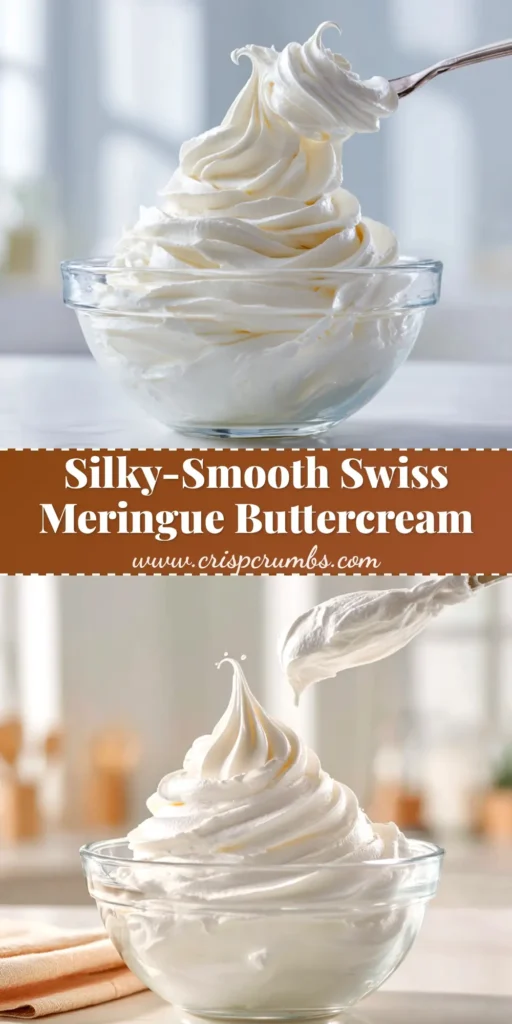
Unlock the secret to bakery-quality cakes and cupcakes with this foolproof Swiss Meringue Buttercream recipe. If you’ve ever dreamed of a frosting that’s incredibly silky, perfectly stable for decorating, and not overpoweringly sweet, you’ve found it. This guide will walk you through every step, from gently warming egg whites to whipping up a glossy, ethereal buttercream that pipes like a dream. Forget grainy, overly sweet frostings; this is the elegant, professional-grade topping your bakes deserve. Say goodbye to uncertainty and hello to the perfect frosting, every single time.
We’ll cover not only the simple step-by-step process but also the crucial troubleshooting tips that guarantee success. Whether you’re a seasoned baker or a curious beginner, you’re about to master the art of Swiss Meringue Buttercream.
What Makes Swiss Meringue Buttercream So Special?
Unlike traditional American buttercream, which is a simple mix of powdered sugar and butter, Swiss Meringue Buttercream has a more complex, elegant structure. The process involves gently heating egg whites and sugar over a double boiler before whipping them into a stable meringue. Butter is then incorporated, transforming the light meringue into a rich, dense, and incredibly smooth frosting. The result is a buttercream celebrated for its sophisticated, mild sweetness and its exceptional stability, making it the top choice for professional cake decorators.
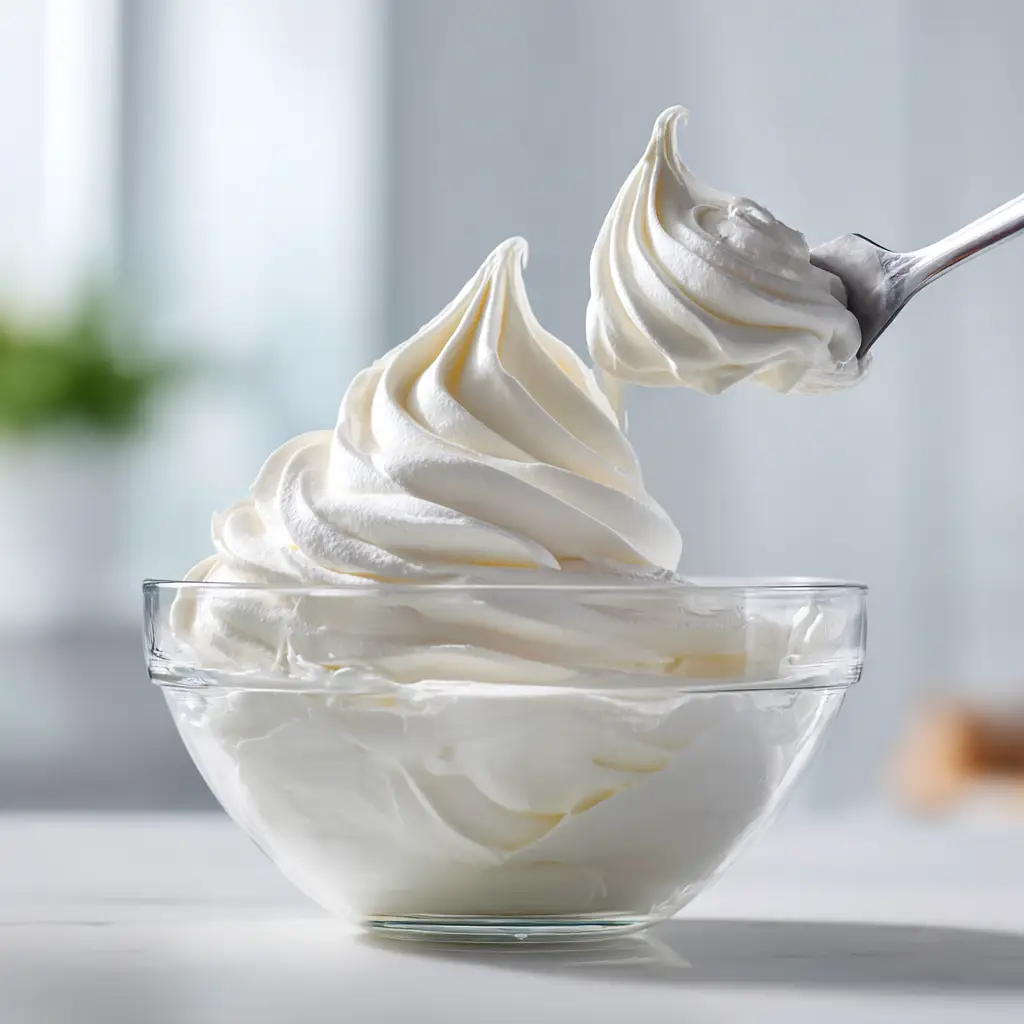
Essential Ingredients for Flawless Buttercream
The beauty of this recipe lies in its simplicity. You only need a few high-quality ingredients to create a truly spectacular frosting.
- Egg Whites: Use fresh egg whites for the best results. If you’re concerned about raw eggs, pasteurized egg whites from a carton are a perfect and safe substitute.
- Granulated Sugar: This dissolves into the egg whites to create the glossy meringue base. Superfine sugar can also be used to dissolve even faster.
- Unsalted Butter: This is the star of the show. Ensure your butter is high-quality and, most importantly, at room temperature. It should be soft to the touch but not melty.
- Vanilla Extract: A splash of pure vanilla extract adds depth and a classic flavor.
- Pinch of Salt: A little salt is crucial for balancing the sweetness and enhancing the overall flavor profile.
Key Equipment for Success
While the ingredients are simple, the right tools are essential for a smooth process. They do the hard work for you and are key to achieving that perfect, silky texture.
- Stand Mixer: A stand mixer with a whisk and paddle attachment is highly recommended. The long whipping times required are difficult to manage with a hand mixer.
- Double Boiler: You can create a makeshift one by placing a heatproof bowl (preferably the bowl of your stand mixer) over a saucepan of simmering water. The bowl should not touch the water.
- Instant-Read or Candy Thermometer: This is non-negotiable for safety and success. It ensures you heat the egg white mixture to the correct temperature (160°F / 71°C) to dissolve the sugar and pasteurize the eggs.
How to Make Swiss Meringue Buttercream (Step-by-Step)
Follow these five steps carefully, and you’ll be rewarded with the most luxurious buttercream imaginable. The key is patience, especially during the whipping and cooling stages.
Step 1: Gently Heat Egg Whites and Sugar
Combine your egg whites and granulated sugar in the heatproof bowl of your stand mixer. Place the bowl over a saucepan with about an inch of simmering water, creating a double boiler. Whisk the mixture constantly until the sugar has completely dissolved and the mixture reaches 160°F (71°C) on your thermometer. To check if the sugar is dissolved, rub a small amount between your fingers; it should feel perfectly smooth, not gritty.
Step 2: Whip to Stiff, Glossy Peaks
Carefully transfer the bowl to your stand mixer fitted with the whisk attachment. Start on low speed and gradually increase to high. Whip the mixture for 10-15 minutes, or until it has transformed into a thick, glossy meringue with stiff peaks. The outside of the bowl should feel completely cool to the touch.
Step 3: Cool the Meringue
This is a critical step. If the meringue is even slightly warm when you add the butter, the butter will melt, and you’ll have a soupy mess. If the bottom of the bowl doesn’t feel cool, you can either continue whipping on low speed or place the entire bowl in the refrigerator for 10-15 minutes until cooled.
Step 4: Slowly Add the Butter
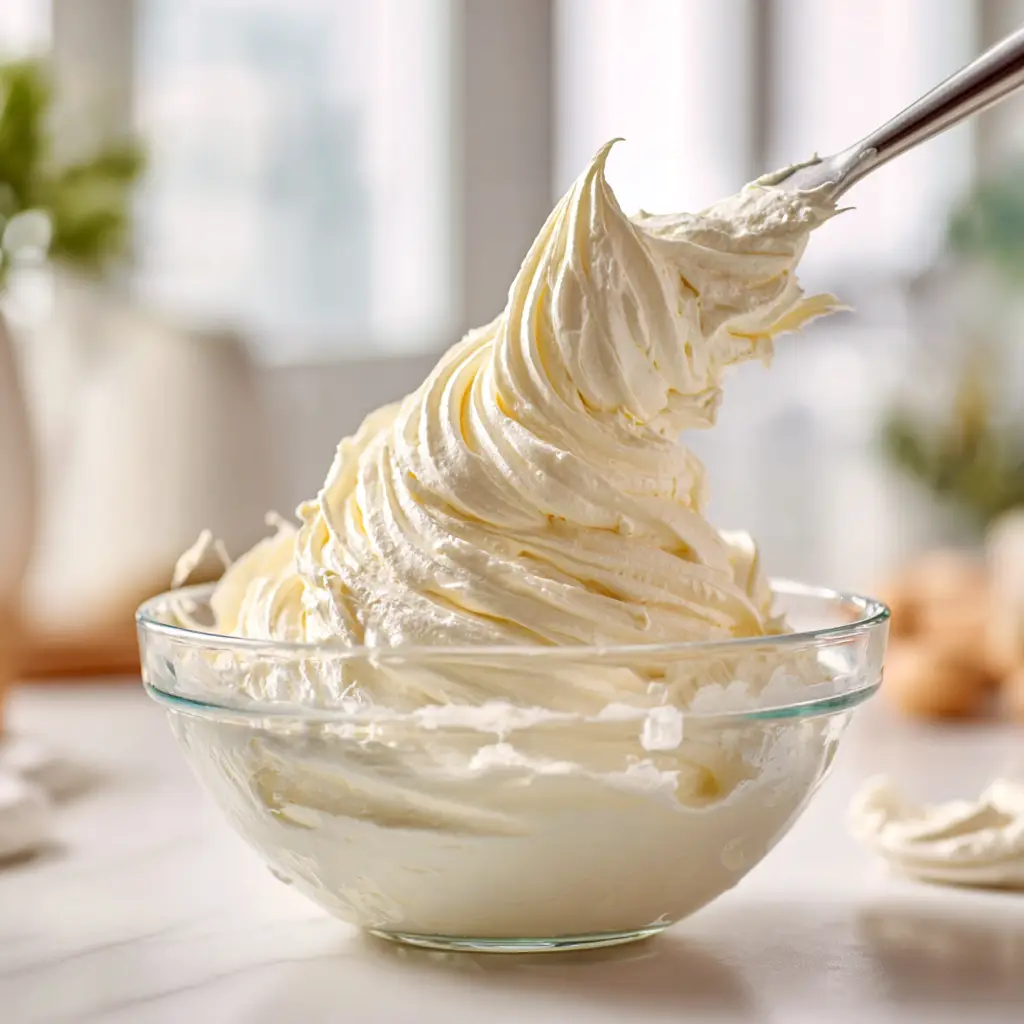
Switch from the whisk to the paddle attachment. With the mixer running on medium-low speed, begin adding your room temperature butter, one tablespoon at a time. It’s important to add the butter slowly, allowing each piece to fully incorporate before adding the next. At this stage, the mixture might look curdled or separated. Do not panic! This is completely normal.
Step 5: Whip to Silky Perfection
Once all the butter has been added, increase the mixer speed to medium-high and just let it whip. After a few minutes of what looks like a disaster, the buttercream will magically come together, transforming into a thick, smooth, and perfectly silky frosting. This can take anywhere from 3 to 10 minutes. Once it’s smooth, add your vanilla extract and salt and mix until just combined.
The Secret to Troubleshooting Swiss Meringue Buttercream
Even seasoned bakers run into issues. The good news is that Swiss Meringue Buttercream is incredibly resilient and almost always fixable. Here are the solutions to the most common problems.
Help! My Buttercream is Soupy!
A soupy consistency is the most common issue and is almost always caused by the butter being too warm or the meringue being too warm when the butter was added. The fix is simple: chill it. Place the entire mixing bowl in the refrigerator for 15-20 minutes, until the buttercream is firm around the edges. Then, return it to the stand mixer and re-whip it, starting on low and increasing to medium-high. It will firm up into the perfect consistency.
Why Did My Buttercream Curdle?
If your buttercream looks split or curdled, it means the butter was likely too cold. The fat and the meringue are struggling to emulsify. The solution? Just keep whipping! Let the mixer run for another 5-10 minutes. The friction from the paddle will gently warm the butter, allowing it to emulsify into the meringue. If it’s still stubborn, you can gently warm the sides of the mixing bowl with a hairdryer for a few seconds to help it along.
Fun Flavor Variations
This recipe is a fantastic base for a variety of flavors. After the buttercream has come together, mix in your desired flavoring on low speed.
- Chocolate: Add 6 ounces of melted and cooled dark or semi-sweet chocolate.
- Salted Caramel: Drizzle in 1/2 cup of thick, cooled salted caramel sauce.
- Fruit: Mix in 1/2 cup of thick fruit puree or seedless jam, like raspberry or strawberry. For a tasty cake to pair it with, try this Blueberry Coffee Cake.
- Espresso: Dissolve 2 tablespoons of instant espresso powder in 1 tablespoon of hot water and add the cooled mixture.
This buttercream is the perfect topping for so many desserts, from a classic chocolate cake to more elaborate creations.
How to Store Your Buttercream
Swiss Meringue Buttercream can be made in advance. Store it in an airtight container in the refrigerator for up to two weeks or in the freezer for up to three months. When you’re ready to use it, let it come to room temperature on the counter for a few hours. It will look separated. Simply place it back in your stand mixer with the paddle attachment and re-whip on medium-high speed for a few minutes until it’s smooth and creamy again.
Frequently Asked Questions
Absolutely. It can be stored in an airtight container in the refrigerator for up to 2 weeks or in the freezer for up to 3 months. Let it return to room temperature on the counter for a few hours, then re-whip in a stand mixer for several minutes to bring it back to a smooth, creamy consistency.
Curdled buttercream usually means the butter was too cold to properly emulsify with the meringue. The solution is to simply keep mixing! Let the stand mixer run on medium-high for another 5-10 minutes. The friction will warm the butter just enough for it to combine into a perfectly smooth frosting.
Yes, it is completely safe when prepared correctly. The process of heating the egg whites and sugar mixture to 160°F (71°C) pasteurizes the eggs, eliminating any risk of bacteria. You can also use pre-pasteurized egg whites from a carton for extra peace of mind.
Both are meringue-based, but the method differs. In the Swiss method, you heat egg whites and sugar together over a double boiler before whipping. In the Italian method, you whip egg whites while pouring a hot sugar syrup into them. Both produce a silky, stable buttercream, but the Swiss method is often considered slightly easier and safer for home bakers.
A soupy buttercream is almost always because the butter or the meringue was too warm when they were combined, causing the butter to melt. The fix is to place the entire mixing bowl in the refrigerator for 15-20 minutes to chill and solidify the butter, then re-whip it until it becomes thick and smooth.
The Perfect Swiss Meringue Buttercream Recipe
Swiss Meringue Buttercream: The Ultimate Silky, Foolproof Recipe
Ingredients
Equipment
Method
- In a heatproof bowl set over a saucepan of simmering water (double boiler), combine egg whites and sugar. Whisk constantly until the sugar is fully dissolved and the mixture reaches 160°F (71°C) on a thermometer.
- Transfer the bowl to a stand mixer with the whisk attachment. Whip on medium-high speed for 10-15 minutes until a stiff, glossy meringue forms. The outside of the bowl must feel completely cool to the touch before proceeding.
- Switch to the paddle attachment. With the mixer on medium-low, add the room temperature butter one tablespoon at a time. Wait for each piece to be incorporated before adding the next. The mixture may look curdled; this is normal.
- Once all butter is added, increase speed to medium-high. Continue to beat for 5-10 minutes. The buttercream will magically come together into a smooth, silky consistency. Mix in the vanilla and salt until just combined.
- If soupy, refrigerate the bowl for 15-20 minutes and re-whip. If curdled, just keep whipping until it comes together.
Notes
Storage: Store in an airtight container in the fridge for 2 weeks or freezer for 3 months. Let it come to room temperature and re-whip before using.
Tried This Recipe? Share Your Creation!
We absolutely love seeing your beautiful creations. If you make this Swiss Meringue Buttercream, please leave a comment below and share a photo with us on Pinterest! It’s the perfect frosting for everything from a simple birthday cake to elegant wedding desserts.