Welcome to the last pie crust recipe you will ever need. Forget crumbly, tough, or bland crusts forever. This guide delivers a foolproof, flaky, and buttery foundation for any pie, sweet or savory. We will walk you through every step, ensuring you achieve a perfect, golden-brown crust that tastes as good as it looks. This recipe is simple enough for beginners and reliable enough for seasoned bakers.
Whether you’re planning a holiday dessert or a weeknight dinner, mastering this homemade pie crust will elevate your baking game. Let’s get started on creating the most delicious, tender, and flaky crust imaginable.
Why This is the Best Pie Crust Recipe
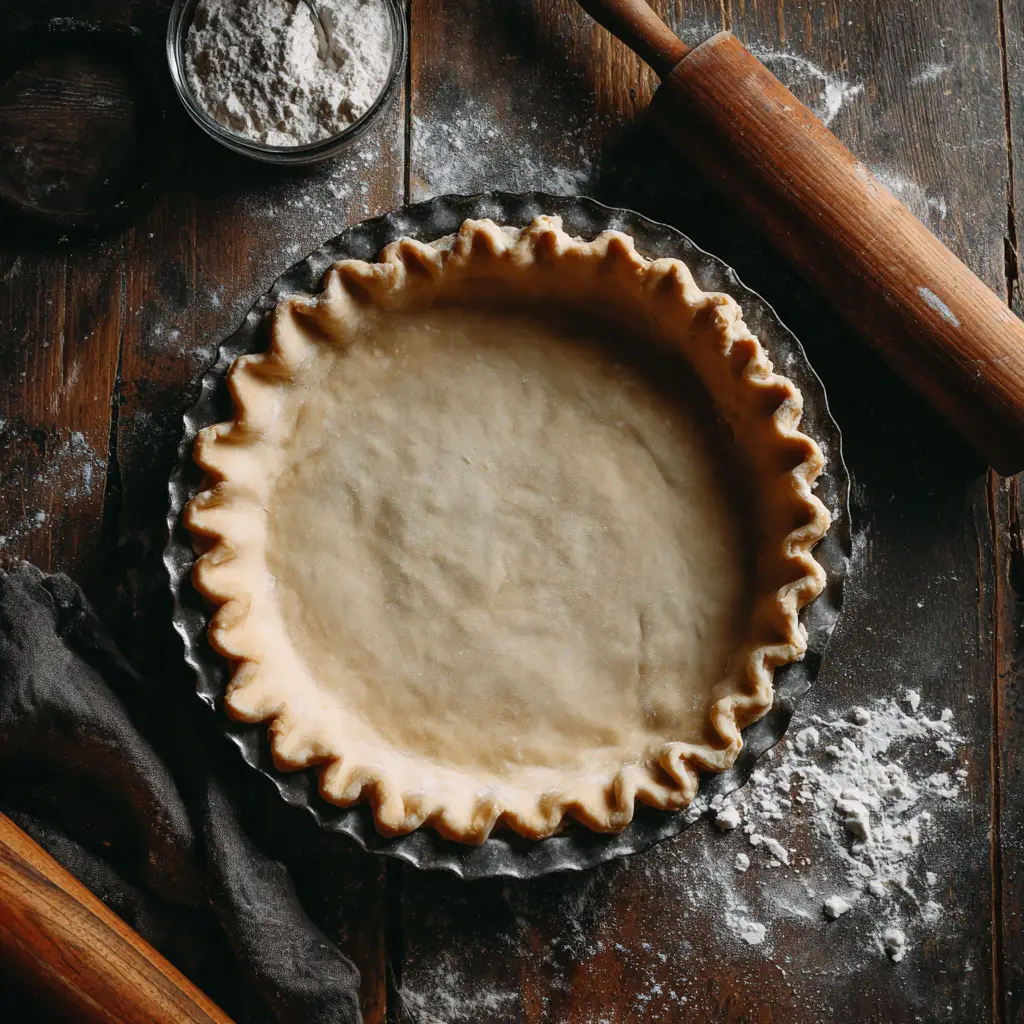
What makes a pie crust recipe stand out? It’s all about texture and flavor. This recipe uses an all-butter base, which provides an unbeatable rich taste and a wonderfully tender crumb. The technique we use, incorporating cold butter into the flour, creates small pockets of fat. When baked, these pockets release steam, separating the dough into dozens of flaky layers.
Furthermore, this recipe is incredibly versatile. It’s the perfect vessel for everything from a classic apple pie to a savory quiche. We’ve tested this recipe countless times to ensure it’s reliable and easy to follow.
The Key to a Perfect Pie Crust: Ingredients
Great baking starts with understanding your ingredients. The magic of this pie crust recipe lies in its simplicity, but the quality and temperature of each component are crucial.
All-Purpose Flour
Simple all-purpose flour provides the ideal structure. It has enough protein to create a sturdy crust without becoming tough, unlike bread flour. Ensure it’s properly measured—scoop and level for accuracy.
Unsalted Butter
The star of the show! Unsalted butter provides the best flavor and allows you to control the salt content. The most critical factor is its temperature. The butter must be very cold, cut into small cubes. This prevents it from melting into the flour, which would result in a greasy, dense crust instead of a light and flaky one.
Ice Water
Just like the butter, your water must be ice cold. It helps keep the butter solid and brings the dough together. Use just enough for the dough to form a shaggy ball; too much water can develop gluten and make the crust tough.
Salt and Sugar
A pinch of salt enhances the buttery flavor and balances the overall taste. A little sugar adds a touch of flavor and helps the crust brown beautifully. You can omit the sugar for savory pies if you prefer.
How to Make This Easy Pie Crust Recipe (Step-by-Step)
Follow these steps closely for a perfect result. Whether you use a food processor or your hands, the goal is the same: keep your ingredients cold and avoid overworking the dough.
- Combine Dry Ingredients: In a large bowl, whisk together the flour, sugar, and salt.
- Cut in the Butter: Add the cold, cubed butter to the flour mixture. Using a pastry blender or your fingertips, quickly cut the butter into the flour until the mixture resembles coarse crumbs with some pea-sized pieces of butter remaining.
- Add Ice Water: Sprinkle 4 tablespoons of ice water over the mixture. Gently toss with a fork until the dough starts to come together in a shaggy mass. If it’s too dry, add more ice water, one teaspoon at a time.
- Form the Dough: Turn the dough out onto a lightly floured surface. Gently press and knead it just a few times until it forms a cohesive disk. Do not overwork it.
- Chill the Dough: Wrap the disk tightly in plastic wrap and refrigerate for at least 1 hour, or up to 2 days. This step is crucial—it allows the gluten to relax and the fat to solidify, ensuring a tender and flaky crust.
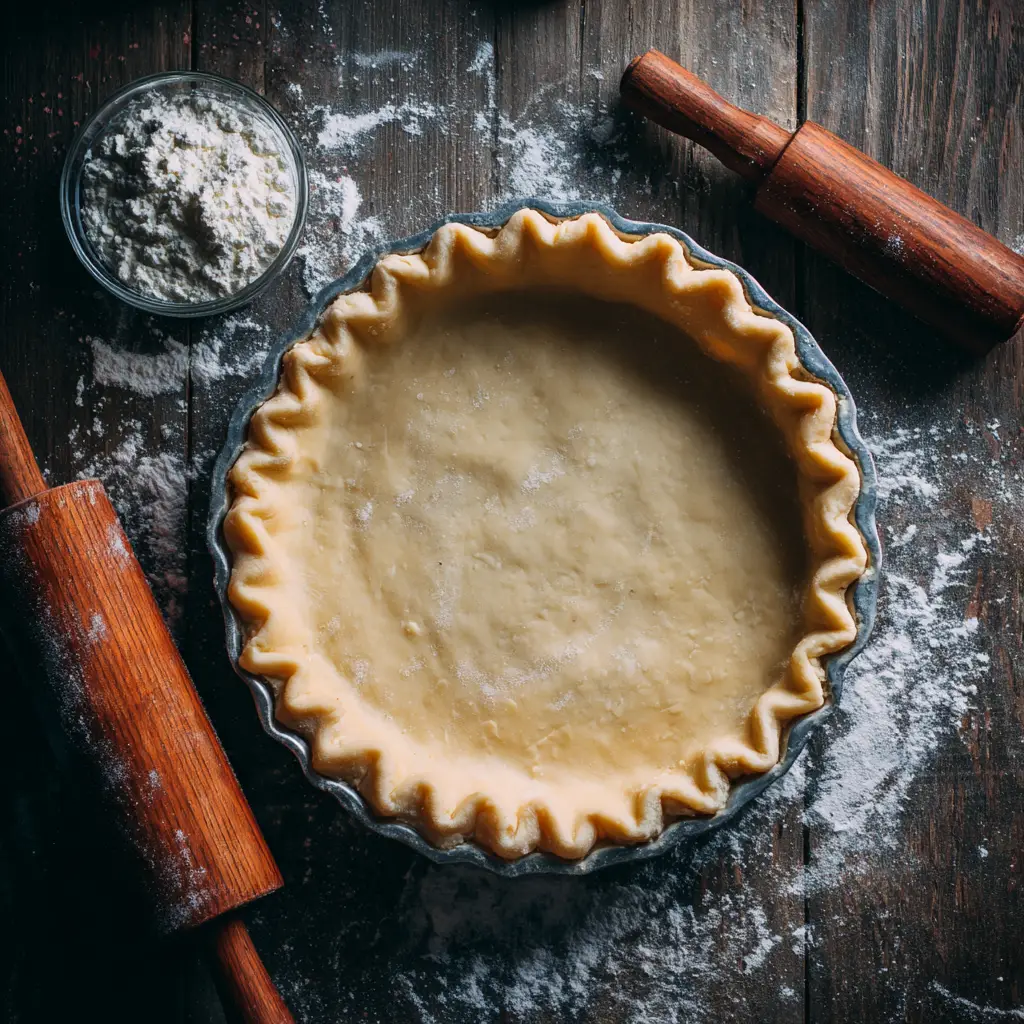
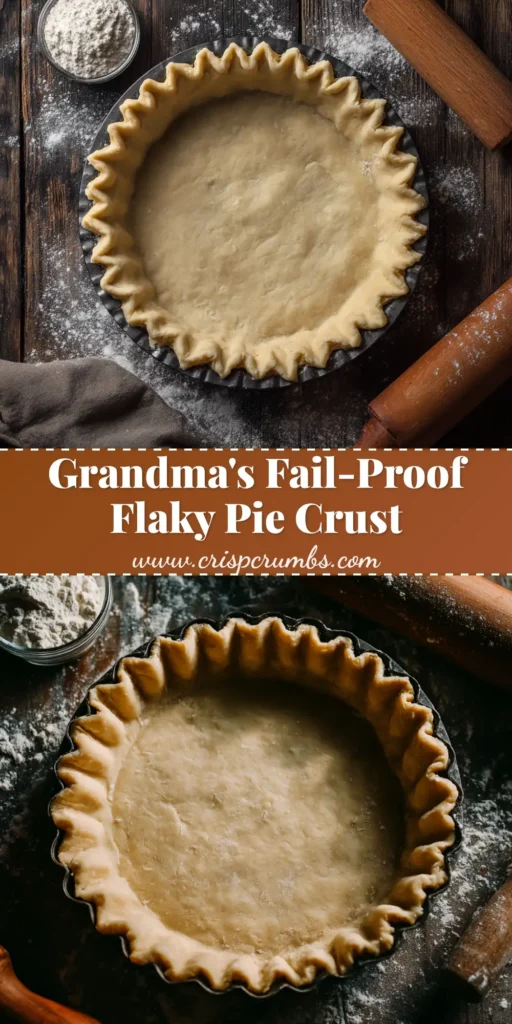
- Roll and Shape: On a floured surface, roll the chilled dough into a 12-inch circle. Carefully transfer it to a 9-inch pie plate. Trim the overhang to 1 inch, then tuck the edge under and crimp as desired.
Tips for a Flaky, Never-Tough Pie Crust
Achieving a perfect crust is easy when you know the secrets. These tips will help you troubleshoot common issues and guarantee success.
- Keep Everything Cold: Your butter, water, and even your bowl should be cold. This is the number one rule for a flaky pie crust recipe.
- Don’t Overwork the Dough: Handling the dough too much develops gluten, which leads to a tough, chewy crust. Mix and knead just until the dough comes together.
- Let it Rest: Chilling the dough is non-negotiable. It prevents shrinkage and makes the dough easier to roll out.
- Visible Butter Chunks are Good: Those pea-sized butter pieces you left in the dough are what create the flaky layers. Don’t try to mix them in completely.
How to Prevent a Soggy Bottom Crust
A soggy bottom can ruin an otherwise perfect pie. To prevent this, try blind baking the crust. Prick the bottom of the unbaked crust with a fork, line it with parchment paper, fill it with pie weights or dried beans, and bake at 400°F (200°C) for 15-20 minutes. Remove the weights and paper, then bake for another 5-7 minutes until lightly golden. This is especially important for custard or very wet fillings, like the ones you might find in a delicious cookie dough cheesecake.
What to Make with Your Perfect Pie Crust
This all-butter pie crust is a blank canvas for countless creations. Use it for a classic holiday dessert like our Pecan Pie Dump Cake for a modern twist, or fill it with a rich and creamy peanut butter cheesecake filling. For savory options, this crust is perfect for quiches, pot pies, and meat pies. It’s a foundational skill, much like mastering a basic dough for keto crackers or bread, that opens up a world of baking possibilities like our famous Amish White Bread.
Frequently Asked Questions About Homemade Pie Crust
Absolutely! You can refrigerate the dough disk, tightly wrapped in plastic, for up to 2 days. You can also freeze it for up to 3 months. Thaw frozen dough in the refrigerator overnight before using.
Yes, resting the dough is a critical step. Chilling the dough for at least one hour allows the gluten strands to relax, which makes the dough easier to roll out and prevents it from shrinking in the pan. It also ensures the butter is very cold, which is key for a flaky texture.
To prevent a soggy bottom, partially bake the crust before adding the filling. This is called ‘blind baking.’ Baking the crust on a lower rack in the oven can also help ensure the bottom is fully cooked and crisp.
Butter provides superior flavor and a tender, flaky texture. Shortening can make a slightly flakier crust because it has a higher melting point, but it lacks the rich flavor of butter. This recipe uses all butter for the best taste.
A tough pie crust is usually caused by overworking the dough, which develops too much gluten. To avoid this, mix the ingredients just until they come together and handle the dough as little as possible. Also, ensure you let the dough rest in the refrigerator for at least an hour.
Ready to Bake?
You’re now equipped with the ultimate pie crust recipe and all the tips you need for success. We’re confident this will become your go-to recipe for every occasion. Give it a try and let us know what you create in the comments below. For more baking inspiration, be sure to follow us on Pinterest!
Pie Crust Recipe
Pie Crust Recipe (The Only One You'll Ever Need)
Ingredients
Equipment
Method
- In a large bowl, whisk together the flour, sugar, and salt.
- Add the cold, cubed butter. Using a pastry blender or your fingertips, cut the butter into the flour until the mixture resembles coarse crumbs with pea-sized pieces of butter remaining.
- Sprinkle 4 tablespoons of ice water over the mixture. Gently toss with a fork until the dough starts to come together. If needed, add more ice water, one teaspoon at a time.
- Turn the dough out onto a floured surface and gently press it into a 1-inch thick disk. Do not overwork.
- Wrap the disk tightly in plastic wrap and refrigerate for at least 1 hour or up to 2 days before rolling.
Notes
Don't Overwork: Mix the dough just until it comes together to avoid a tough crust.
Rest the Dough: Chilling is essential for tender results and prevents shrinking.