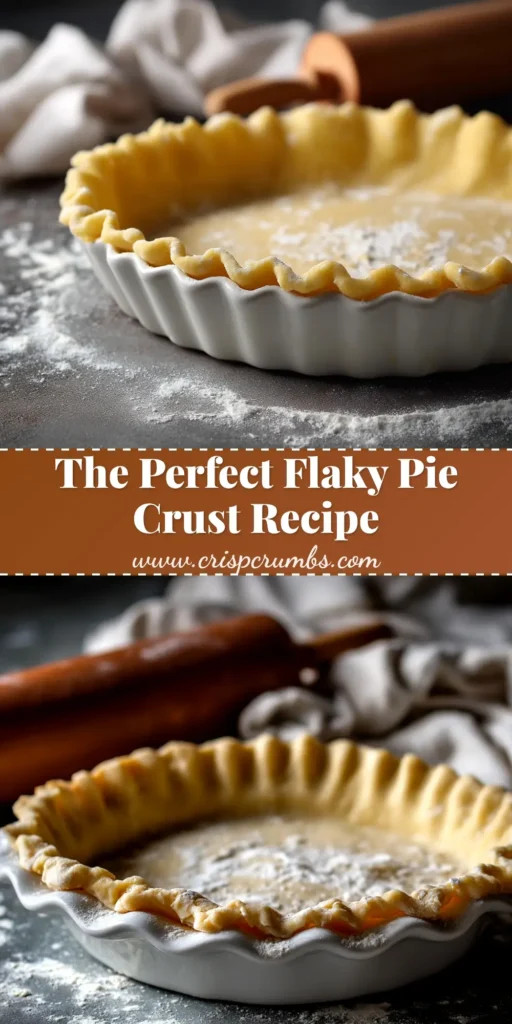
There’s a special magic in a truly homemade pie, and it all starts with the foundation: the crust. If the thought of making your own has ever felt intimidating, you’ve come to the right place. This foolproof pie crust recipe is designed for the enthusiastic home cook, breaking down the process into simple, achievable steps. Forget store-bought crusts forever; with just a few basic ingredients and our expert tips, you’ll unlock the secret to a perfectly flaky, wonderfully buttery crust that will elevate every tart and pie you make.
Why This is the Only Pie Crust Recipe You’ll Ever Need
In a world of countless recipes, this one stands out for its reliability and incredible flavor. We’re using an all-butter method, which delivers a rich, savory taste that shortening simply can’t match. But what about flakiness? That’s where technique comes in. By keeping our ingredients ice-cold and handling the dough just right, we create those coveted layers that bake up into a crisp, golden, and shatteringly tender crust every single time.
The Science of a Flaky Crust: Key Ingredients
Understanding the role of each ingredient is the first step toward mastering this pie crust recipe. It’s surprisingly simple—no fancy components, just quality staples.
All-Purpose Flour
Simple all-purpose flour provides the structure for our dough. There’s no need for special pastry flour; we’ll control the gluten development through our technique to ensure a tender result.
Cold, Unsalted Butter
This is the star of the show. Using cold, cubed butter is non-negotiable. As the butter melts in the oven, it releases steam, creating pockets of air that separate the dough into countless flaky layers. Unsalted butter gives us full control over the final seasoning.
Ice Cold Water
Keeping the water icy cold is just as important as keeping the butter cold. It helps keep the butter solid and prevents the gluten in the flour from developing too much, which is the secret to a tender, non-leathery crust.
A Pinch of Salt & Sugar
A little salt enhances the rich flavor of the butter, while a touch of sugar helps with browning and adds a subtle depth that works for both sweet and savory pies.
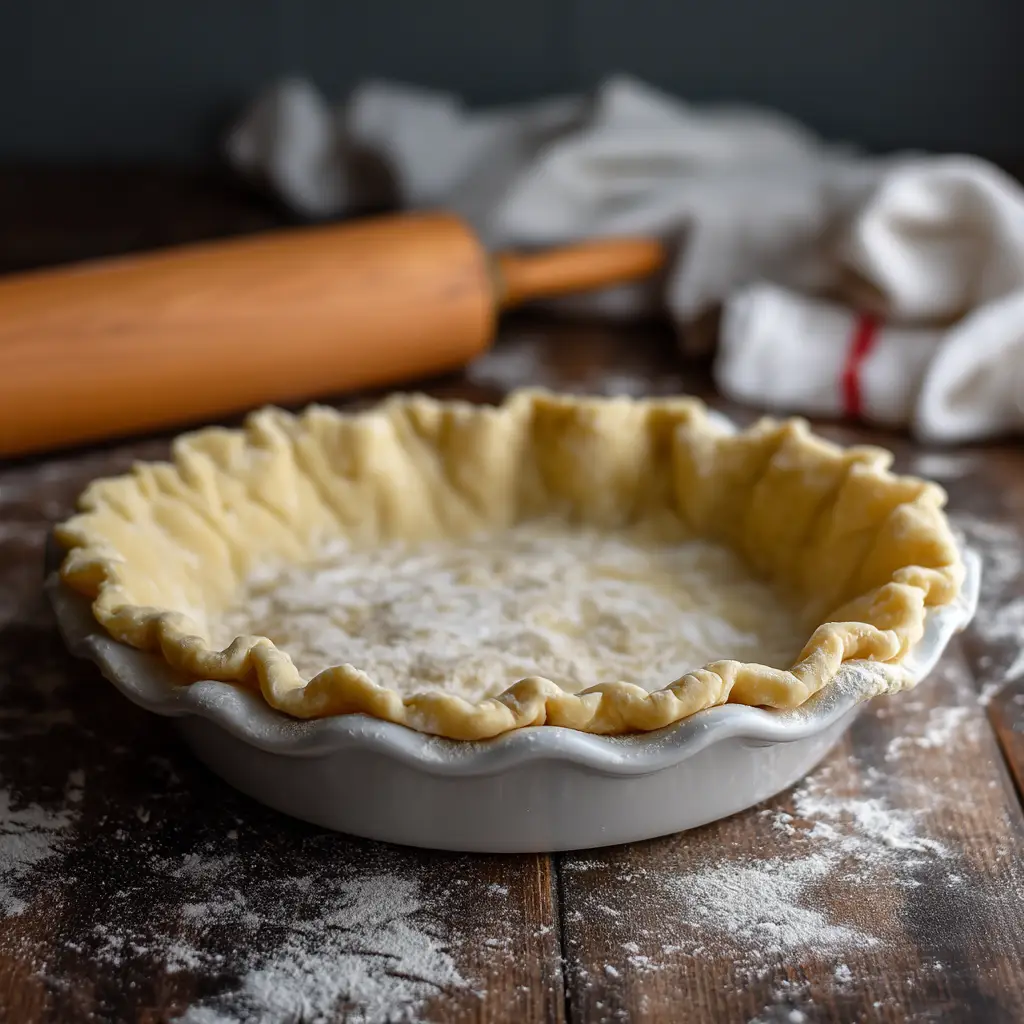
How to Make the Perfect Pie Crust Recipe: Step-by-Step
Follow these steps closely for a perfect dough. Whether you use a food processor or your hands, the principles remain the same: work quickly and keep everything cold.
- Combine Dry Ingredients: In a food processor or a large bowl, whisk together the flour, sugar, and salt.
- Cut in the Butter: Add the cold, cubed butter to the flour mixture. Pulse the food processor 8-10 times, or use a pastry blender or your fingertips to cut the butter in until the mixture resembles coarse meal with some pea-sized pieces of butter still visible. This is key to flakiness!
- Add Ice Water: Sprinkle the ice water over the mixture, one tablespoon at a time. Pulse or mix gently just until the dough begins to come together. Don’t overmix! It should still look a bit crumbly.
- Form the Dough: Turn the mixture out onto a clean surface and gently press it together into a cohesive ball. Avoid kneading it.
- Divide and Chill: Cut the dough in half, form each half into a 1-inch thick disk, and wrap tightly in plastic wrap. Refrigerate for at least one hour, or preferably overnight. This resting period is crucial for relaxing the gluten.
Pro Tips for No-Fail Pie Dough
These small details make a huge difference. Internalize these habits, and you’ll become a pie-making pro.
Don’t Overwork the Dough
The moment your dough comes together, stop mixing. Overworking develops gluten, which results in a tough, chewy crust instead of a tender, flaky one. Embrace the shaggy look of the dough before you chill it.
Keep Everything Cold
If at any point your kitchen feels warm or the butter starts to feel soft, don’t hesitate to pop your bowl, utensils, and even the flour in the freezer for 10-15 minutes. Cold ingredients are the absolute key to a flaky homemade pie dough.
The Importance of Resting the Dough
Chilling the dough isn’t just about keeping it cold; it’s about allowing the gluten strands to relax. A well-rested dough is easier to roll out and is far less likely to shrink in the pie plate during baking.
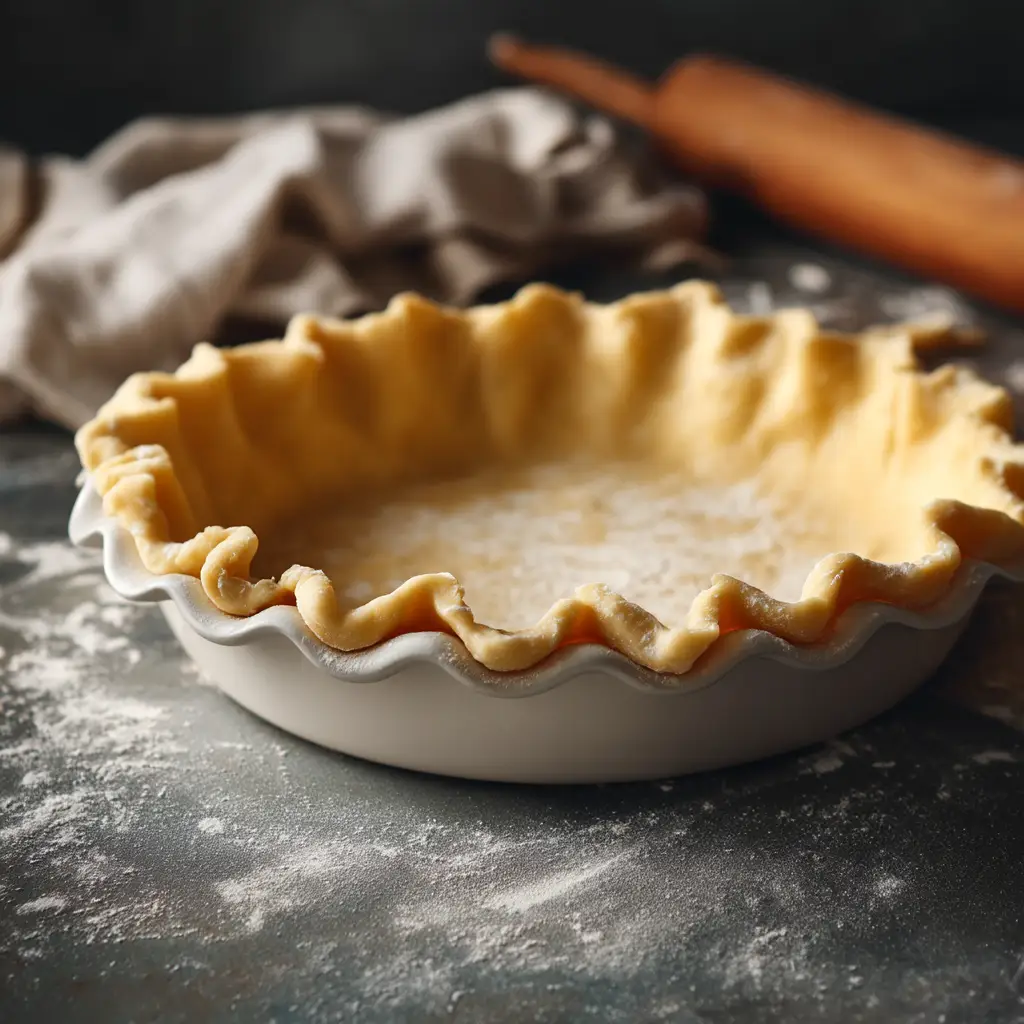
Troubleshooting Common Pie Crust Problems
Even seasoned bakers run into issues. Here’s how to fix the most common ones.
- Tough Crust: This is almost always caused by overworking the dough or adding too much water. Be gentle and use just enough water to bring the dough together.
- Shrinking Crust: If your crust shrinks down the sides of the pan, it likely needed to rest longer. Let the dough chill for at least an hour after mixing and for another 20-30 minutes in the pie plate before baking.
- Soggy Bottom: To prevent a soggy bottom, especially with wet fillings, try blind baking the crust first. This means partially or fully baking the crust before adding the filling. An egg wash on the bottom can also create a moisture barrier.
Make-Ahead and Freezing Instructions
This pie crust recipe is perfect for making ahead! You can store the wrapped dough disks in the refrigerator for up to 3 days. For longer storage, freeze the dough for up to 3 months. Thaw it in the refrigerator overnight before rolling it out.
Frequently Asked Questions
Absolutely. This pie dough is perfect for making ahead. You can wrap the dough disks tightly and store them in the refrigerator for up to 3 days or in the freezer for up to 3 months. Just thaw frozen dough in the fridge overnight before using.
To prevent a soggy bottom, especially with wet fillings, you should ‘blind bake’ the crust. This means partially or fully baking the crust in the pie plate before you add the filling. This creates a firm, moisture-resistant base.
This recipe uses all butter for its superior flavor and browning qualities. Shortening can create a slightly more tender crust, but butter provides a rich taste that is unmatched. By using our cold-ingredient technique, you can achieve both incredible flavor and flakiness with just butter.
The main secret is temperature. You must use ice-cold water and very cold butter. Keeping the butter solid until it hits the oven’s heat is what creates steam and separates the dough into flaky layers. The second secret is not to overwork the dough.
What to Make With Your Perfect Pie Crust
This all-purpose crust is wonderfully versatile. Use it to create a savory masterpiece like a Caramelized Onion and Gruyere Tart or a hearty Meat-Lover's Quiche. For a sweet treat, it’s the perfect base for a rich flourless chocolate torte or fruit-filled hand pies. You could even use it as a creative topping for a Chicken Pot Pie Orzo.
The Ultimate Pie Crust Recipe
Pie Crust Recipe: A Foolproof Guide to Flaky, Buttery Perfection
Ingredients
Equipment
Method
- In a food processor or a large bowl, whisk together the flour, sugar, and salt.
- Add the cold, cubed butter. Pulse 8-10 times or use a pastry blender to cut the butter in until the mixture resembles coarse meal with some pea-sized pieces of butter remaining.
- Sprinkle 1/2 cup of ice water over the mixture. Pulse or mix gently just until the dough begins to form clumps. If it's too dry, add more water 1 teaspoon at a time.
- Turn the mixture out onto a clean surface. Gently press and gather the dough into a ball without kneading.
- Cut the dough in half, form each half into a 1-inch thick disk, and wrap tightly in plastic wrap. Refrigerate for at least 1 hour before rolling.
Notes
Ensure your butter and water are as cold as possible for the flakiest results.
Do not overwork the dough; this is the most common mistake and leads to a tough crust.
Tried This Recipe? Share Your Masterpiece!
Now that you’ve mastered the art of the perfect pie crust, the possibilities are endless! We can’t wait to see what you create. Leave a comment below with your favorite pie fillings or share your beautiful creations on Pinterest. Your feedback helps our community of home cooks grow!