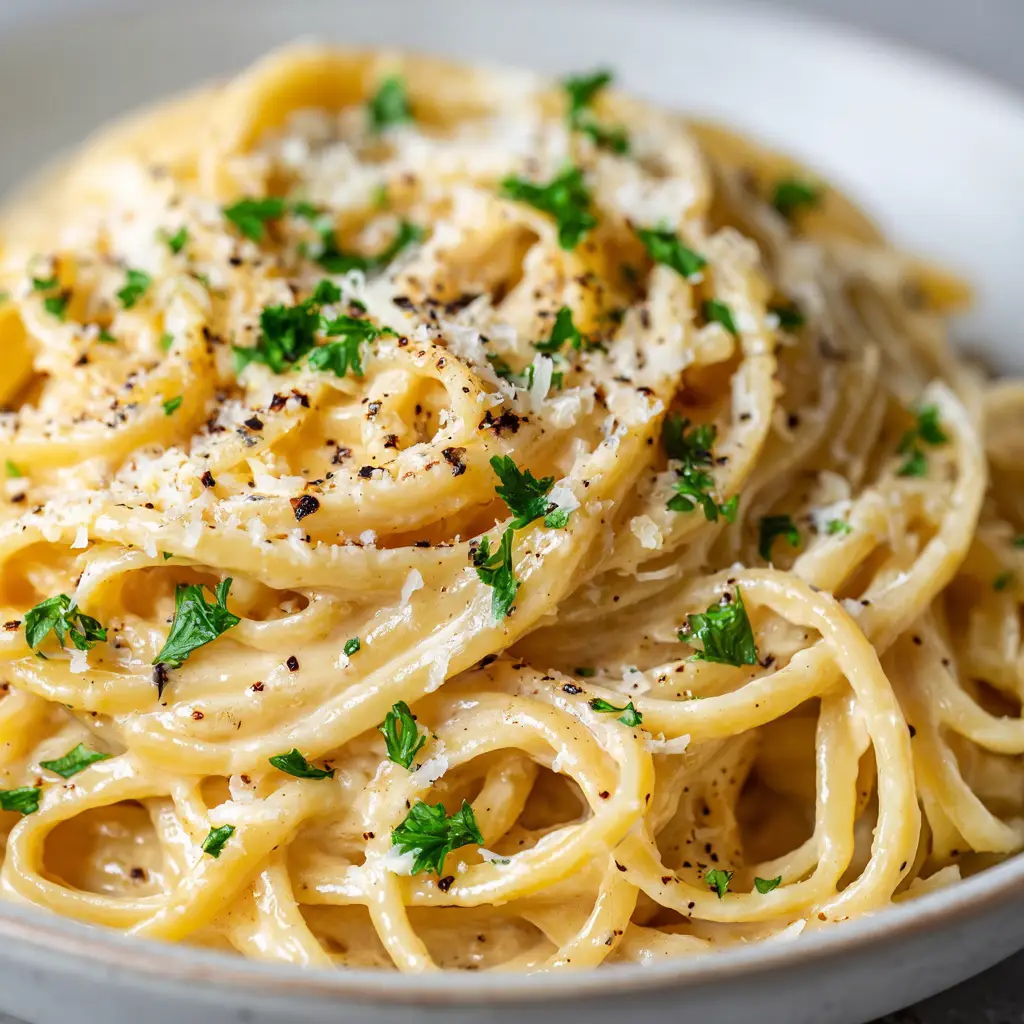
This is it. The recipe that will transform your weeknight dinner routine forever. This creamy, savory, and deeply flavorful Miso Pasta Sauce is the ultimate fusion of Japanese umami and Italian comfort. It’s incredibly easy to make, requires just a handful of ingredients, and comes together in the time it takes to boil your pasta. Get ready to discover your new favorite sauce!
If you’re looking for a dish that tastes like it came from a high-end restaurant but has a weeknight-friendly prep time, you’ve found it. This Miso Pasta Sauce recipe delivers a complex, buttery, and utterly addictive flavor profile that will have everyone asking for seconds. It’s a game-changer for busy home cooks who refuse to compromise on taste.
Why You’ll Love This Miso Pasta Sauce Recipe
- Incredibly Fast: This entire sauce comes together in about 20 minutes, making it perfect for a last-minute meal.
- Minimal Ingredients: You only need 5 core ingredients (plus pasta and pasta water!) to create this masterpiece.
- Packed with Flavor: It’s a savory umami bomb! The miso provides a deep, salty, and slightly sweet flavor that’s perfectly balanced by rich butter and sharp Parmesan.
- Versatile: This sauce is a fantastic base. You can add proteins, veggies, or a kick of spice to make it your own.
The 5 Key Ingredients for a Perfect Miso Pasta Sauce
The magic of this sauce lies in its simplicity. We use a few high-impact ingredients to create a symphony of flavor. Each component plays a crucial role in achieving that perfect, silky, umami-rich result.
Miso Paste: The Star of the Show
Miso is a fermented soybean paste and the cornerstone of this recipe’s flavor. For this Miso Pasta Sauce, I recommend using white miso (Shiro Miso). It’s lighter and sweeter than its red counterpart, lending a delicate, savory depth that doesn’t overpower the dish. It melts beautifully into the butter and cream to create a seamless sauce.
Butter & Heavy Cream: For a Luxurious Texture
Unsalted butter provides the rich foundation, while a splash of heavy cream gives the sauce its signature luxurious, creamy consistency. Together, they create a velvety coating for every strand of pasta. For a different twist on a creamy pasta dish, you might also enjoy this Boursin Chicken Orzo recipe.
Garlic & Parmesan: Aromatic Depth and Salty Finish
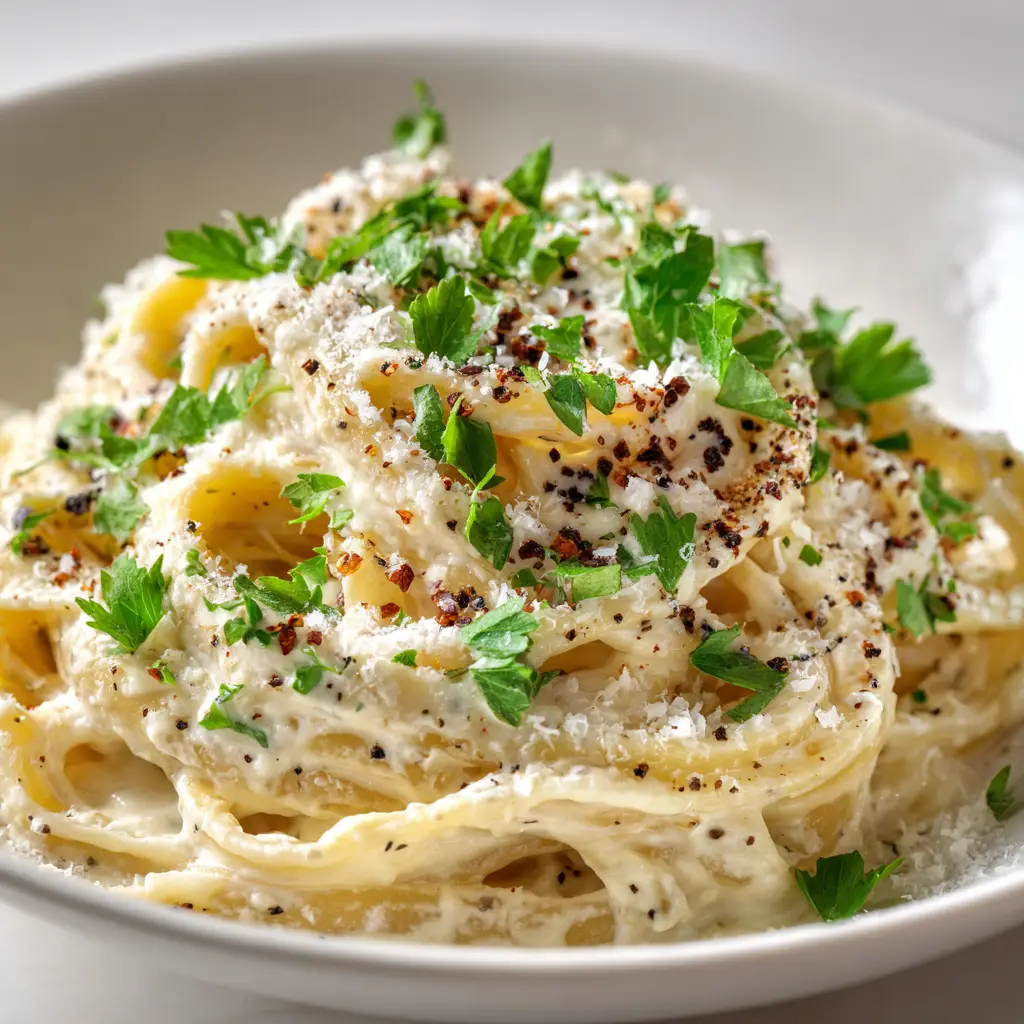
Freshly minced garlic adds a necessary aromatic punch that cuts through the richness. And what’s a creamy pasta without Parmesan? Use freshly grated Parmesan cheese for the best flavor and melting quality. It adds a nutty, salty finish that ties all the flavors together.
How to Make Miso Pasta Sauce: A Step-by-Step Guide
Making this sauce is as simple as it gets. Follow these steps for perfect results every time.
- Boil the Pasta: Cook your favorite pasta (linguine, spaghetti, or fettuccine work beautifully) in a large pot of heavily salted water according to package directions. Before draining, reserve at least 1 cup of the starchy pasta water. This is crucial for the sauce!
- Sauté the Aromatics: While the pasta cooks, melt the butter in a large skillet or pan over medium heat. Add the minced garlic and cook for about 1 minute until fragrant, being careful not to let it burn.
- Create the Miso Base: Reduce the heat to low. Add the white miso paste to the pan with the garlic butter. Whisk constantly for about 30 seconds to toast the miso and unlock its flavor.
- Make it Creamy: Slowly whisk in the heavy cream until the mixture is smooth. Let it gently simmer for 1-2 minutes to thicken slightly.
- Combine and Emulsify: Transfer the cooked, drained pasta directly into the skillet with the sauce. Add the grated Parmesan cheese and about 1/4 cup of the reserved pasta water. Toss everything together vigorously. The starch from the pasta water will help the sauce cling to the pasta, creating a glossy, emulsified Miso Pasta Sauce. Add more pasta water, a tablespoon at a time, until you reach your desired consistency.
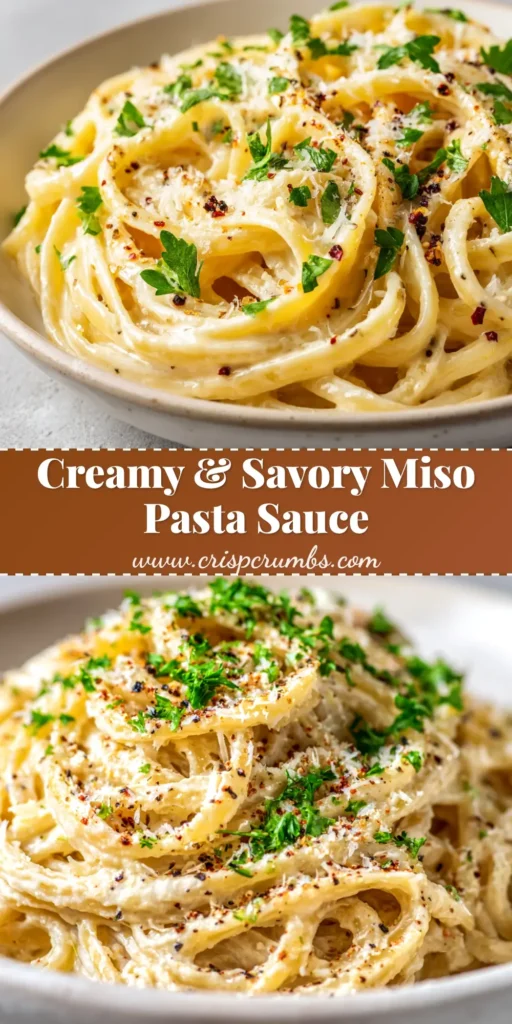
- Serve Immediately: Serve the pasta hot, garnished with extra Parmesan, freshly cracked black pepper, and some sliced scallions or toasted sesame seeds for crunch.
Recipe Variations to Try
This Miso Pasta Sauce is a fantastic canvas for your culinary creativity. Here are a few ideas to get you started:
- Add Mushrooms: Sauté sliced shiitake or cremini mushrooms in the pan before adding the garlic for an extra layer of earthy, umami flavor.
- Make it Spicy: Whisk in a teaspoon of gochujang or a pinch of red pepper flakes along with the miso paste for a gentle, warming heat.
- Boost the Protein: This sauce pairs wonderfully with pan-seared scallops, shrimp, or slices of perfectly pan-seared salmon.
- Make it Vegan: For a delicious plant-based version, check out our Vegan Miso Butter Fried Rice for inspiration on using similar flavors. You can substitute the butter with a high-quality vegan butter, use full-fat coconut cream instead of heavy cream, and replace the Parmesan with a sprinkle of nutritional yeast.
Tips for the Best Miso Pasta
- Don’t Overcook the Pasta: Cook it just until al dente. It will finish cooking in the pan with the sauce.
- Use Quality Miso: The flavor of your sauce depends heavily on the quality of your miso paste. Find a good quality white miso at most grocery stores or Asian markets.
- The Magic of Pasta Water: Do not skip reserving the pasta water! It’s the key to a silky, non-greasy sauce. Its starch content helps emulsify the fat from the butter and cheese, creating a perfectly cohesive sauce.
Frequently Asked Questions
Yes! To make it vegan, use a high-quality vegan butter, substitute the heavy cream with full-fat canned coconut cream or a cashew-based cream, and replace the Parmesan cheese with nutritional yeast for a cheesy, savory flavor.
Store leftovers in an airtight container in the refrigerator for up to 3 days. To reheat, gently warm the pasta in a skillet over low heat. Add a splash of water or milk to loosen the sauce and bring back its creamy consistency.
This pasta is very versatile. You can add sautéed mushrooms, wilted spinach, or edamame. For protein, it pairs wonderfully with pan-seared shrimp, scallops, grilled chicken, or crispy tofu.
Miso pasta has a unique and deeply savory flavor profile. It’s rich and buttery from the butter and cream, salty and nutty from the Parmesan, with an underlying ‘umami’ depth from the miso paste that is slightly sweet and addictively savory.
White miso (Shiro Miso) is the best choice for pasta sauces. It is the mildest type of miso, with a delicate, slightly sweet flavor that blends beautifully into creamy sauces without overpowering the other ingredients.
Tried This Recipe? Share Your Creation!
There’s nothing better than seeing your creations! If you make this Miso Pasta Sauce, please leave a comment below and let me know how it turned out. For more delicious dinner ideas and behind-the-scenes cooking, be sure to follow us on Pinterest!
Miso Pasta Sauce (Creamy, Umami-Rich & Ready in 20 Mins!)
Miso Pasta Sauce (Creamy, Umami-Rich & Ready in 20 Mins!)
Ingredients
Equipment
Method
- Cook pasta in heavily salted water according to package directions until al dente. Crucially, reserve at least 1 cup of the starchy pasta water before draining.
- While the pasta cooks, melt butter in a large skillet over medium heat. Add minced garlic and cook until fragrant, about 1 minute.
- Reduce heat to low. Add the white miso paste and whisk constantly for 30 seconds to toast it and deepen its flavor.
- Slowly whisk in the heavy cream until the sauce is smooth and fully combined. Let it simmer gently for 1-2 minutes.
- Add the drained pasta directly to the skillet, along with the grated Parmesan and 1/4 cup of reserved pasta water. Toss vigorously to combine. The sauce will become glossy and cling to the pasta.
- Continue tossing and add more pasta water, one tablespoon at a time, until the sauce reaches your desired creamy consistency. Serve immediately, garnished with extra Parmesan, black pepper, and optional scallions or sesame seeds.
Notes
Miso Choice: White miso (Shiro) is recommended for its milder, slightly sweet flavor that complements the pasta perfectly. Red miso can be used but will result in a much stronger, more intense flavor.