There’s something incredibly satisfying about a perfect Japanese Katsu Bowl. That shatteringly crisp, golden-brown cutlet, the savory-sweet tang of tonkatsu sauce, and a bed of fluffy steamed rice—it’s a trifecta of texture and flavor that’s pure comfort. Forget takeout; this guide will show you how to master this iconic dish right in your own kitchen. We’re covering everything from getting that perfectly crunchy crust to a simple, delicious sauce that ties it all together.
This recipe is designed for the enthusiastic home cook who loves creating delicious meals for family and friends. We’ll walk through every step, ensuring you get that restaurant-quality result every single time. Whether you prefer pork (Tonkatsu) or chicken (Tori Katsu), this recipe has you covered.
What are Japanese Katsu Bowls?
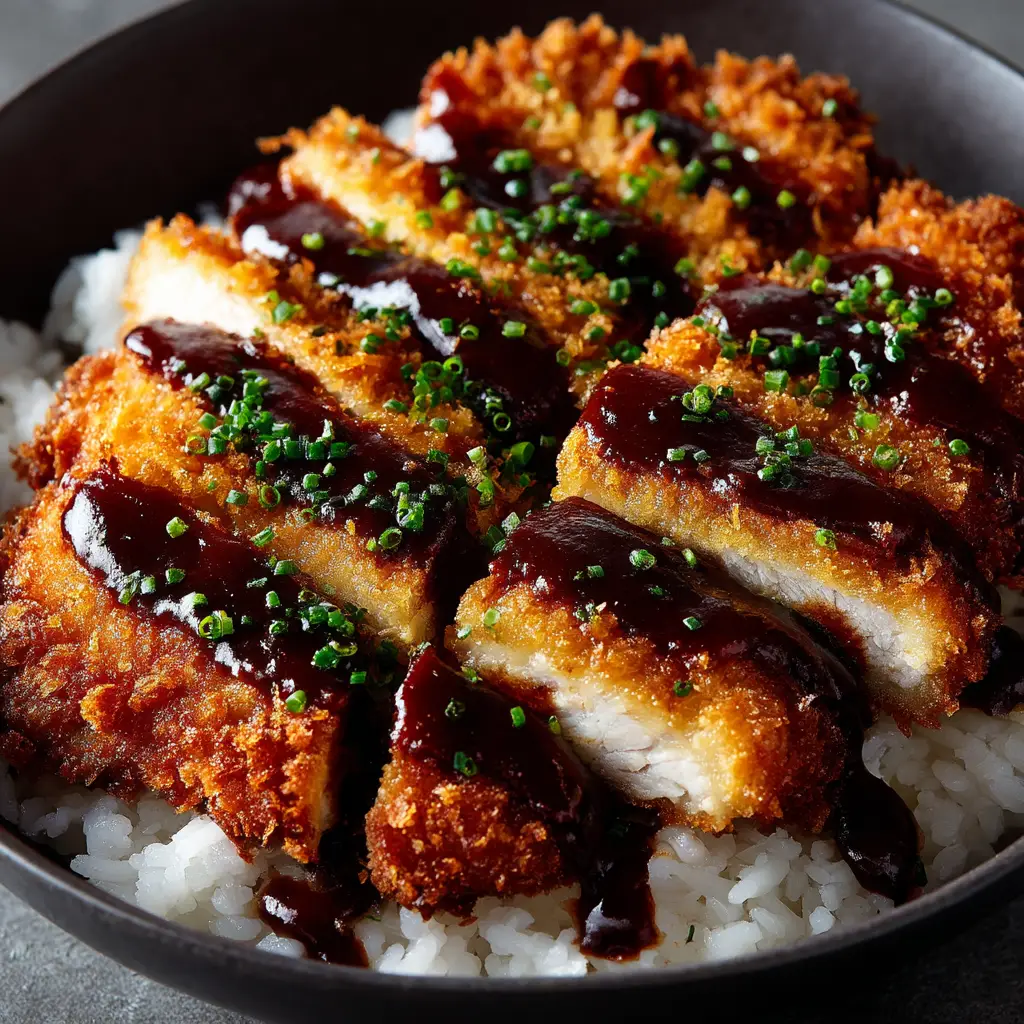
A Japanese Katsu Bowl, or Katsudon, is a popular Japanese dish consisting of a deep-fried pork or chicken cutlet (katsu) served over a bowl of steamed rice. It’s often topped with a sweet and savory tonkatsu sauce and served alongside thinly shredded cabbage. The magic of the dish lies in the contrast between the crispy, juicy cutlet and the soft, fluffy rice. It’s a staple in Japanese cuisine for its comforting and satisfying nature.
Key Ingredients for Success
The beauty of a katsu bowl is its simplicity. You don’t need a long list of fancy ingredients to create an amazing meal. Here’s what you’ll need to focus on:
- The Cutlet: You can use either boneless pork chops (for traditional Tonkatsu) or boneless, skinless chicken breasts (for Chicken Katsu). The key is to pound them to an even thickness for uniform cooking.
- Panko Breadcrumbs: This is non-negotiable! Japanese panko breadcrumbs are lighter and flakier than regular breadcrumbs, which is the secret to that signature airy, crispy crust.
- Tonkatsu Sauce: While you can buy pre-made sauce, our simple homemade version is a game-changer. It uses common pantry staples to create a perfectly balanced sweet and tangy sauce.
- Accompaniments: Fluffy short-grain Japanese rice and finely shredded cabbage are essential for an authentic experience. The cabbage provides a fresh, crunchy contrast that cuts through the richness of the katsu.
How to Make the Crispiest Katsu
The heart of our Japanese Katsu Bowls is the cutlet itself. The goal is a juicy interior and a golden, crunchy exterior that stays crisp even after being sauced. Here’s how to achieve it.
Preparing the Cutlet
First, prepare your protein. Whether using pork chops or chicken breasts, place them between two pieces of plastic wrap and pound them with a meat mallet or rolling pin to about a ½-inch thickness. This tenderizes the meat and ensures it cooks quickly and evenly.
The Breading Station
Next, set up a standard three-step breading station. You’ll need three shallow dishes: one with all-purpose flour seasoned with salt and pepper, one with a beaten egg, and one with panko breadcrumbs. This process ensures the panko adheres perfectly.
- Dredge the cutlet in the seasoned flour, shaking off any excess.
- Dip the floured cutlet into the beaten egg, allowing any excess to drip off.
- Press the cutlet firmly into the panko, ensuring it’s completely coated on all sides.
Frying to Golden Perfection
The final step is frying. Heat about an inch of a neutral oil (like canola or vegetable) in a heavy-bottomed skillet over medium-high heat. You’re looking for a temperature of about 350°F (175°C). Carefully lay the breaded cutlet in the hot oil and fry for 3-4 minutes per side, until deep golden brown and cooked through. Remove and let it drain on a wire rack to maintain its crispiness. For another delicious and crispy recipe, check out these Hot Honey BBQ Chicken Quesadillas.
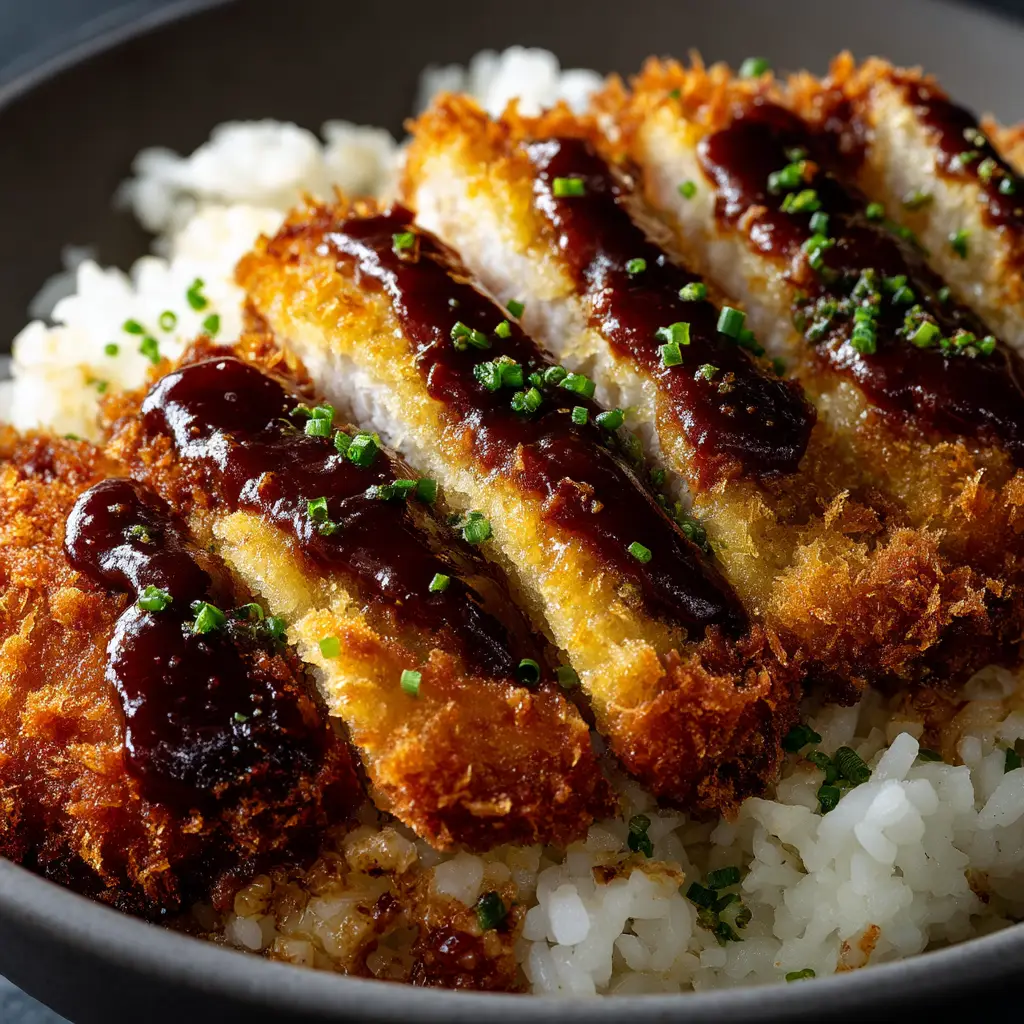
The Easiest Homemade Tonkatsu Sauce
While store-bought tonkatsu sauce is convenient, this homemade version is incredibly easy and delicious. It strikes the perfect balance of sweet, savory, and tangy flavors that complement the crispy katsu perfectly. In a small bowl, you just need to whisk together ketchup, Worcestershire sauce, oyster sauce (or soy sauce), and a little sugar. That’s it! It’s a simple sauce that delivers complex flavor, much like the glaze on our Honey-Soy Glazed Chicken.
Assembling Your Japanese Katsu Bowls
With all your components ready, it’s time to assemble your bowls. This is where the magic happens.
- Start with Rice: Fill a bowl with a generous serving of hot steamed rice.
- Add Cabbage: Place a handful of finely shredded cabbage on one side of the rice.
- Slice the Katsu: Slice your crispy katsu cutlet into ¾-inch strips.
- Arrange and Sauce: Arrange the katsu slices over the rice. Drizzle generously with your homemade tonkatsu sauce.
- Garnish (Optional): For extra flavor and visual appeal, you can garnish with toasted sesame seeds or thinly sliced green onions.
For a heartier meal, consider serving it alongside a comforting soup like our Slow Cooker Ham and Bean Soup.
Variations and Serving Suggestions
While the classic katsu bowl is fantastic on its own, here are a few ways to customize it:
- Katsu Curry: Instead of tonkatsu sauce, ladle a generous amount of rich Japanese curry over the katsu and rice.
- Spicy Katsu: Add a drizzle of sriracha or a pinch of shichimi togarashi (Japanese seven-spice) to your tonkatsu sauce for a spicy kick.
- Add an Egg: For a true Katsudon experience, simmer the sliced katsu with onions and a dashi-soy sauce mixture, then pour a beaten egg over the top to gently cook before serving over rice.
FAQs about Japanese Katsu Bowls
Store leftover katsu in an airtight container in the refrigerator for up to 2 days. For the best results when reheating, use an air fryer or a toaster oven to bring back its crispiness. Microwaving is not recommended as it will make the breading soggy.
The secret to super crispy katsu is using Japanese Panko breadcrumbs, which are lighter and create a crunchier crust than regular breadcrumbs. Frying in oil at the correct temperature (350°F / 175°C) and letting it rest on a wire rack also ensures maximum crispiness.
‘Katsu’ is a broad term for a deep-fried Japanese cutlet. ‘Tonkatsu’ specifically refers to a fried pork cutlet (‘Ton’ means pork). So, Tonkatsu is a type of Katsu.
The most common sauce is Tonkatsu sauce, a sweet and tangy sauce made from a blend of fruits and vegetables. Our simple homemade version uses ketchup, Worcestershire sauce, oyster sauce, and sugar to create a similar flavor profile.
Katsu is almost always served with finely shredded raw cabbage and a mound of Japanese short-grain rice. The fresh cabbage provides a refreshing crunch that cuts through the richness of the fried cutlet.
Enjoy Your Homemade Katsu!
Now you have everything you need to create delicious and authentic Japanese Katsu Bowls at home. This recipe is a testament to how simple ingredients can come together to create something truly special. It’s a perfect weeknight dinner that feels like a treat. If you make this recipe, we’d love to see it! Share your creations on Pinterest and let us know what you think in the comments below.
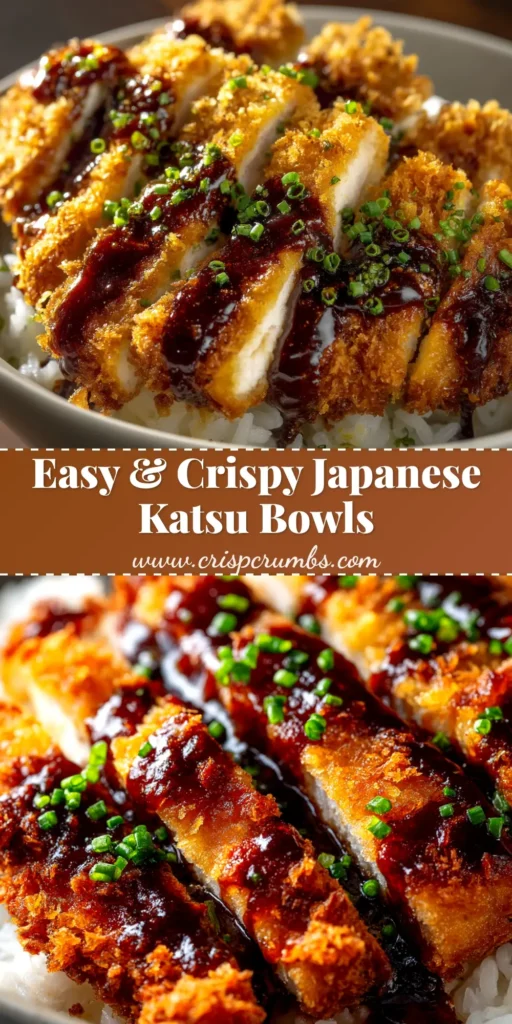
Japanese Katsu Bowls Recipe
Japanese Katsu Bowls: The Ultimate Crispy Comfort Food
Ingredients
Equipment
Method
- Prepare the Cutlets: If you haven't already, pound the pork or chicken cutlets to an even ½-inch thickness. Season both sides with salt and pepper.
- Set Up Breading Station: Place flour in one shallow dish, the beaten eggs in a second, and the panko breadcrumbs in a third. Lightly mix the 1 tsp salt and 1/2 tsp pepper into the flour.
- Bread the Cutlets: Working one at a time, dredge a cutlet in the flour, shaking off the excess. Then, dip it into the egg, letting the excess drip off. Finally, press the cutlet firmly into the panko, ensuring a thick, even coating.
- Fry the Katsu: Pour about 1 inch of oil into a large, heavy-bottomed skillet. Heat over medium-high heat to 350°F (175°C). Carefully place 1-2 cutlets in the skillet (do not overcrowd) and fry for 3-4 minutes per side, until deep golden brown and cooked through. Transfer to a wire rack to drain.
- Make the Sauce: While the katsu is draining, whisk together the ketchup, Worcestershire sauce, oyster sauce (or soy sauce), and sugar in a small bowl until smooth.
- Assemble the Bowls: Slice the cooked katsu into ¾-inch strips. To assemble each bowl, add a base of steamed rice, top with a handful of shredded cabbage, arrange the sliced katsu on top, and drizzle generously with the tonkatsu sauce. Garnish with sesame seeds or green onions, if desired.
Notes
Tip 2: Oil Temperature is Key. If the oil is too hot, the panko will burn before the meat is cooked. If it's too cool, the katsu will absorb too much oil and become greasy. Use a thermometer for the best results.
Tip 3: Pound It Out. Pounding the meat to an even thickness ensures it cooks quickly and evenly, resulting in a juicier cutlet.