Are you craving a handheld meal that delivers maximum comfort with zero compromises? These Homemade Pizza Pockets are the ultimate culinary upgrade to your favorite childhood freezer snack. This recipe is designed to yield a perfectly balanced, bakery-quality savory pastry right in your own kitchen.
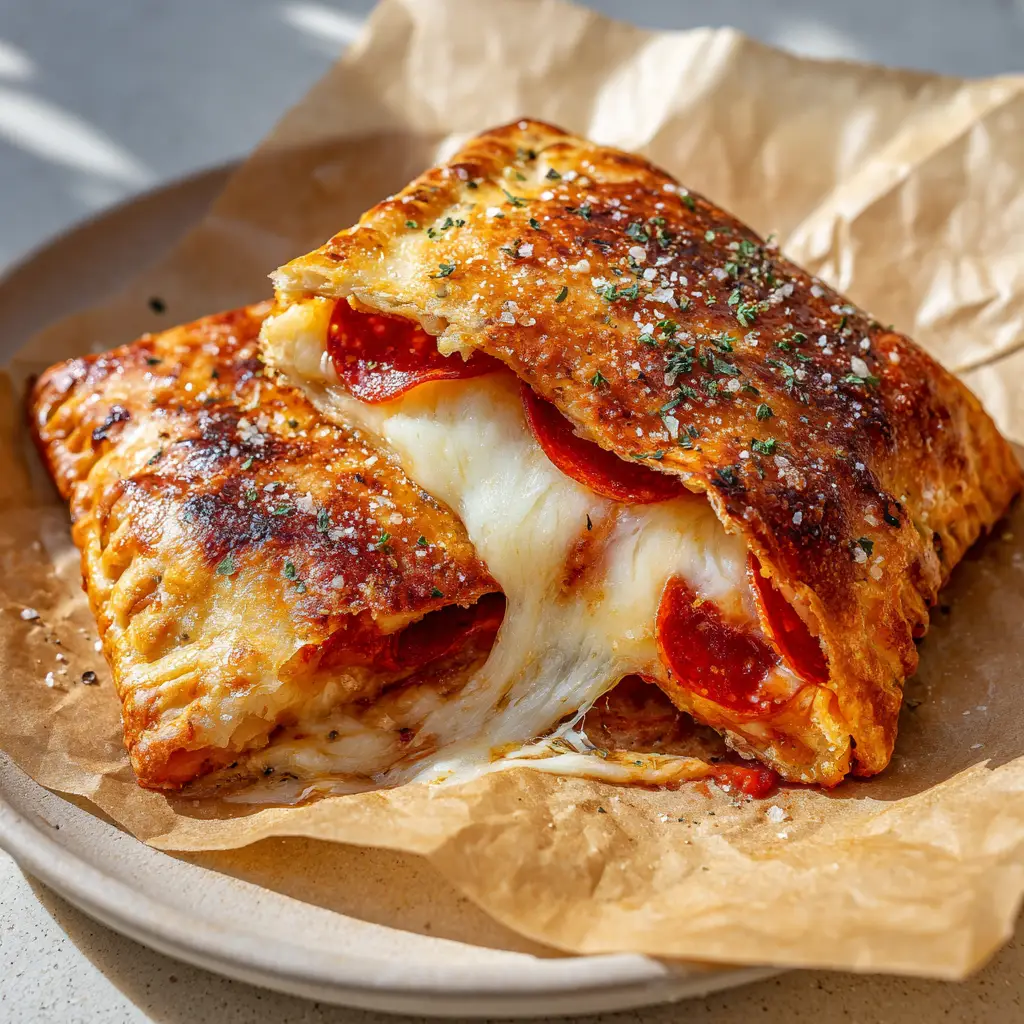
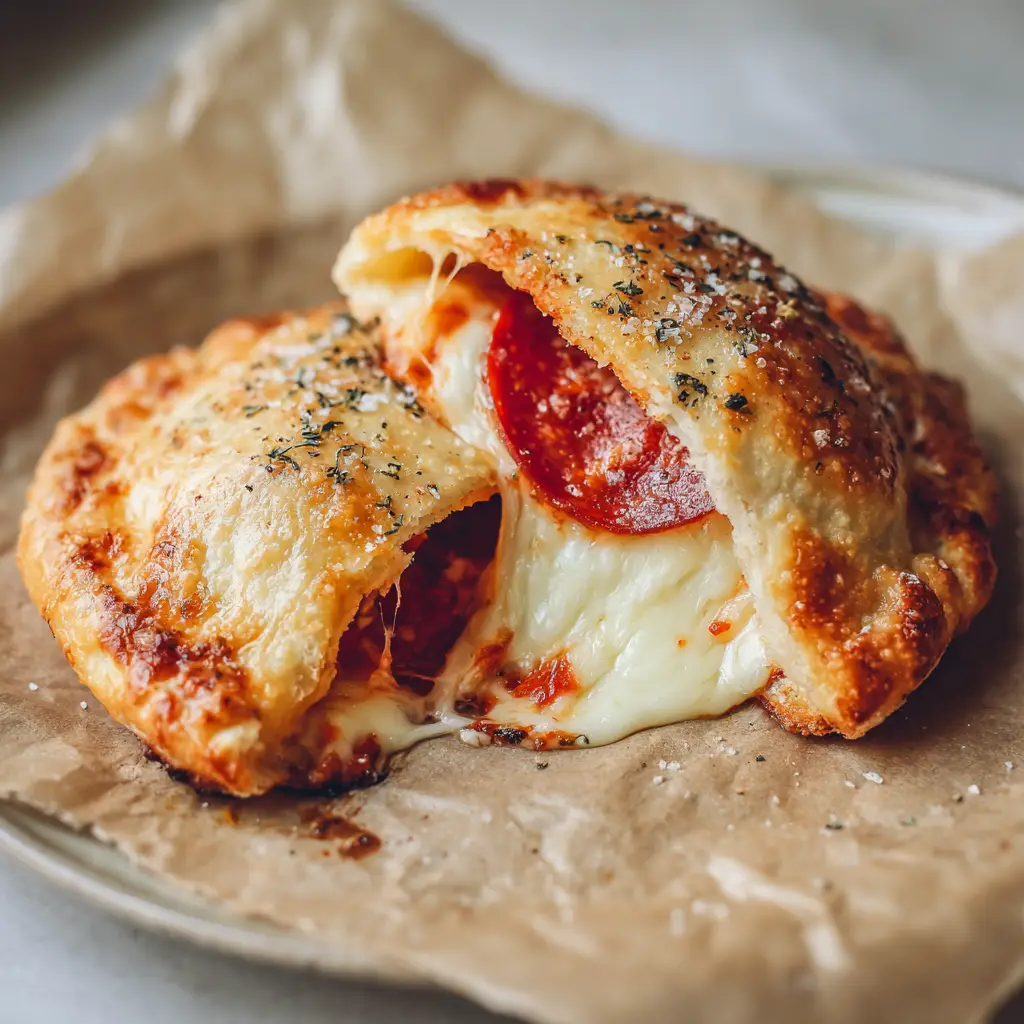
When you tear one of these freshly baked pockets in half, you are immediately greeted by gooey, stretchy melted white mozzarella cheese oozing out. That beautiful cheese pull is mixed seamlessly with thick bright red marinara sauce and round slices of savory cooked pepperoni.
Best of all, the outer pastry crust is a perfectly baked golden-brown masterpiece. It features a slightly blistered texture and is finished with a delicate, savory dusting of dried green oregano flakes and coarse salt. Get ready to experience the perfect marriage of culinary science and comfort food.
Why You’ll Love This Recipe
- The Ultimate Cheese Pull: By using the correct type of block cheese, you are guaranteed that iconic, stretchy melted white mozzarella cheese oozing out of the center.
- No Soggy Bottoms: Using a specifically thick red marinara sauce ensures the moisture stays balanced, protecting the integrity of your dough.
- Bakery-Quality Texture: A simple egg wash creates an outer pastry crust that is perfectly baked golden-brown with a satisfyingly slightly blistered texture.
- Perfect Flavor Balance: The finishing touch of dried green oregano flakes and coarse salt elevates the exterior crust from plain dough to a seasoned, savory masterpiece.
- Make-Ahead Friendly: These assemble beautifully and freeze perfectly, making them the ultimate grab-and-go meal for busy afternoons.
The Anatomy of the Perfect Pizza Pocket
Creating a flawless stuffed pastry requires understanding the science of moisture control. The primary reason traditional homemade calzones or pizza rolls fail is excessive water content inside the dough. When fillings release steam, they compromise the crust.
To combat this, we are very intentional about our ingredient selection. Every single component, from the cheese hydration to the thickness of the tomato sauce, plays a crucial role. This ensures the structural integrity remains strong while baking at high temperatures.
The goal is a distinct textural contrast. We want a soft, chewy, and slightly blistered golden-brown crust on the outside, protecting a molten, rich, and stretchy interior. Let’s break down exactly what you need to achieve this.
Ingredients & Substitutions
The Crust Elements
Pizza Dough: You will need 1 lb (450g) of high-quality pizza dough to form the structural foundation of our pockets. Whether you use store-bought refrigerated dough or your favorite homemade recipe, ensure it rests at room temperature for 30 minutes. This relaxes the gluten, making it easier to stretch and resulting in that perfectly baked golden-brown crust.
Egg Wash (The Invisible Secret): Whisk 1 large egg (50g) with 1 tbsp (15ml) of cold water. Brushing this invisible foundation over the raw dough triggers the Maillard reaction in the hot oven. It is absolutely essential for achieving the glossy, slightly blistered texture on the exterior.
The Savory Fillings
Low-Moisture Mozzarella Cheese: Grab 1.5 cups (170g) of freshly shredded, low-moisture whole milk mozzarella cheese. Avoid pre-shredded bagged cheese, as it contains anti-caking starches that inhibit smooth melting. Grating from a block guarantees that gooey, stretchy melted white mozzarella cheese pull.
Thick Marinara Sauce: Use 0.5 cup (120ml) of thick, bright red marinara sauce. It is imperative that the sauce is thick; a watery sauce will seep into the dough and cause structural blowouts. If your sauce is thin, simmer it on the stove for 10 minutes to reduce the water content before using.
Pepperoni: You will need 3 oz (85g) of traditional round slices of savory cooked pepperoni. These render their rich, spiced fats into the cheese as they bake, flavoring the entire interior of the pocket.
The Flavorful Toppings
Dried Green Oregano Flakes: Prepare 1 tsp (2g) of dried green oregano flakes for the finishing touch. This adds a visual pop of vibrant color and an earthy, aromatic Italian flavor profile to the outer pastry crust.
Coarse Salt: Have 1 tsp (5g) of coarse salt (like kosher or pretzel salt) ready for dusting. Coarse salt crystals provide a necessary textural crunch and deeply enhance the savory flavors of the baked golden-brown crust.
Equipment Needed
- Large Baking Sheet: A heavy-duty, light-colored aluminum baking sheet provides an even heat distribution for the bottom crust.
- Parchment Paper: A sheet of crinkled brown parchment paper creates micro-pockets of air underneath the dough, promoting a more even bake while offering a non-stick surface.
- Rolling Pin: Essential for rolling the dough out to an even 1/4 inch (6mm) thickness.
- Pastry Brush: Required for applying an even, thin layer of the egg wash over the sealed pockets.
- Neutral Ceramic Plate: For the perfect rustic presentation once baked.
Step-by-Step Instructions
1. Prepping the Dough and Oven
Begin by preheating your oven to 400°F (200°C). High heat is crucial for achieving oven spring, which gives the dough its slightly blistered texture.
Take a sheet of crinkled brown parchment paper and line your large baking sheet. Crinkling the paper first and then flattening it out helps prevent the dough from sticking and improves bottom-heat circulation.
Divide your 1 lb (450g) of room-temperature pizza dough into four equal 4 oz (113g) portions. Roll each portion out on a lightly floured surface into a 6-inch (15cm) circle, maintaining an even 1/4 inch (6mm) thickness.
2. Layering the Fillings
Spoon exactly 2 tbsp (30ml) of the thick bright red marinara sauce into the lower half of each dough circle. Spread it gently, ensuring you leave a clear 1-inch (2.5cm) border around the edges for sealing.
Layer 3 to 4 round slices of savory cooked pepperoni directly over the marinara sauce. This strategic layering prevents the sauce from making the upper crust soggy.
Top the pepperoni with a generous 1/3 cup (38g) of the freshly shredded, low-moisture white mozzarella cheese. Keeping the cheese concentrated in the center prevents it from interfering with the dough seal.
3. Sealing the Pockets
Carefully fold the top half of the dough circle over the filling to meet the bottom edge, creating a half-moon shape. Gently press the air out of the center as you fold; trapped air will cause the pockets to burst in the oven.
Firmly crimp the edges together using the tines of a fork, or twist the edges into a tight rope crimp. A secure seal is vital to keep the gooey, stretchy melted cheese safely inside.
Using a sharp paring knife, cut two small steam vents in the top of each sealed pocket. This allows internal moisture to escape, maintaining the thick consistency of the sauce and the crispness of the crust.
4. The Egg Wash and Seasoning
In a small bowl, whisk the 1 large egg (50g) with 1 tbsp (15ml) of water until completely smooth. Using your pastry brush, apply a very light, even coating of this egg wash over the entire surface of each pocket.
Immediately after brushing, apply a light dusting of the dried green oregano flakes evenly across the damp dough. The egg wash acts as a glue, holding the herbs in place.
Follow up with a precise sprinkle of the coarse salt. The coarse grains will embed slightly into the egg wash, providing a beautiful textural finish upon baking.
5. Baking to Perfection
Transfer the sealed, seasoned pockets onto your prepared baking sheet with the crinkled brown parchment paper. Ensure they are spaced at least 2 inches (5cm) apart to allow hot air to circulate freely.
Bake in the preheated 400°F (200°C) oven for 15 to 18 minutes. You are looking for sensory cues: the crust should become a perfectly baked golden-brown, and you should hear a faint sizzling sound from the interior.
Remove from the oven when the exterior features a slightly blistered texture. Let them rest on the pan for 5 minutes before transferring them to a plain, neutral ceramic plate. This resting period allows the molten cheese to stabilize so it oozes perfectly when torn in half.
Expert Tips for Success
- Room Temperature Dough: Cold dough will snap back and resist rolling. Letting it rest at room temperature for 30 minutes ensures it stretches easily without tearing.
- Control the Moisture: If your marinara sauce looks watery, do not use it as-is. Strain it briefly through a fine mesh sieve or simmer it down to guarantee it remains a thick red marinara.
- Don’t Overfill: It is tempting to add extra cheese, but overfilling puts too much tension on the seams. Stick to the measurements to prevent the pockets from exploding in the oven.
- The Crinkled Parchment Trick: Crumpling your parchment paper into a tight ball and smoothing it out before baking creates a slightly uneven surface. This allows steam to escape from under the dough, guaranteeing a crispy bottom crust.
- Rest Before Tearing: If you tear the pocket open immediately out of the oven, the cheese will be a liquid mess. Waiting 5 minutes yields that picture-perfect, stretchy melted white mozzarella pull.
Storage, Freezing, and Reheating
To Store: Allow any leftover Homemade Pizza Pockets to cool completely to room temperature. Store them in an airtight container in the refrigerator for up to 4 days.
To Freeze: These are incredible for meal prep. Once baked and fully cooled, wrap each pocket individually in aluminum foil and place them in a heavy-duty freezer bag. They will keep perfectly in the freezer for up to 3 months.
To Reheat: For the best texture, skip the microwave. Reheat refrigerated pockets in a 350°F (175°C) oven or air fryer for 8-10 minutes until the crust re-crisps. If reheating from frozen, bake at 350°F (175°C) for 20-25 minutes until the center is bubbling and hot.
What to Serve With Homemade Pizza Pockets
While these savory, pepperoni-stuffed pastries are a phenomenal standalone meal, pairing them with the right side dishes elevates your dining experience. The rich, melted mozzarella and savory crust crave fresh, contrasting flavors.
For a refreshing and crisp side, serve your pockets alongside a bright cucumber-mozzarella-salad or a crunchy asian-cabbage-salad. The natural acidity and crunch in these salads perfectly cut through the heavy, gooey cheese.
If you are a fan of dipping your pizza crust, skip the basic ranch and try a ramekin of homemade-blue-cheese-dressing. The tangy, gourmet bite of the blue cheese transforms the crust into an incredible appetizer experience.
Are you building a hearty weekend lunch spread? Serve these golden-brown pastries next to a steaming, comforting bowl of tuscan-sausage-and-potato-soup or a creamy cheeseburger-macaroni-soup.
If you’re hosting a casual gathering or game day, these homemade pizza pockets fit perfectly into a handheld appetizer menu. Pair them with honey-chipotle-chicken-sliders, spicy bacon-jalapeno-popper-egg-rolls, and air-fryer-garlic-parmesan-chicken to blow your guests away.
Finally, no meal is complete without a fantastic dessert. Follow up your savory pepperoni pockets with bright, zesty lemon-sugar-cookies or an elegant slice of butter-pecan-loaf-cake.
Frequently Asked Questions
Absolutely. Let them cool completely after baking, wrap each pocket individually in foil, and store them in a freezer-safe bag for up to 3 months. Reheat them directly from frozen in a 350°F (175°C) oven for 20-25 minutes.
Yes! Store-bought refrigerated pizza dough works perfectly. Just make sure you let it sit at room temperature for about 30 minutes before rolling it out so the gluten relaxes and it doesn’t tear.
Brushing the dough with a simple egg wash (1 egg whisked with 1 tbsp of water) before baking triggers the Maillard reaction. Combined with a hot 400°F (200°C) oven, this creates a beautiful, slightly blistered golden-brown finish.
Freshly shredded, low-moisture whole milk mozzarella is the absolute best choice. It provides the perfect stretchy cheese pull without releasing excess water that could make the inside of the dough soggy.
Pizza pockets usually explode for three reasons: overfilling the dough, failing to crimp the edges securely, or forgetting to cut steam vents in the top. Always leave a 1-inch border and vent the top crust so trapped steam can escape safely.
Conclusion & Subscribe
There you have it—the ultimate guide to making bakery-quality Homemade Pizza Pockets. From the blistered golden-brown dough to the stretchy, oozing white mozzarella and thick marinara, this recipe hits every single craving.
If you loved making these delicious handheld meals, please leave a comment and a 5-star rating below! Don’t forget to subscribe to our newsletter for more culinary deep-dives, and be sure to pin this recipe on Pinterest to save it for your next pizza night!
Recipe Card
The Ultimate Homemade Pizza Pockets Recipe
Ingredients
Equipment
Method
- Preheat your oven to 400°F (200°C). Line a large baking sheet with a piece of crinkled brown parchment paper. Divide the 1 lb (450g) of room-temperature pizza dough into four equal 4 oz (113g) portions. Roll each portion on a lightly floured surface into a 6-inch (15cm) circle, about 1/4 inch (6mm) thick.
- Spoon exactly 2 tbsp (30ml) of thick bright red marinara sauce into the lower half of each dough circle, leaving a 1-inch (2.5cm) border. Layer 3 to 4 round slices of pepperoni over the sauce, then top with a generous 1/3 cup (38g) of shredded low-moisture mozzarella cheese.
- Carefully fold the top half of the dough over the filling to meet the bottom edge. Press the air out of the center and firmly crimp the edges together using a fork. Cut two small steam vents in the top of each pocket with a sharp knife.
- Whisk the large egg with 1 tbsp (15ml) of water. Brush a light, even coating of this egg wash over the surface of each pocket. Immediately dust evenly with the dried green oregano flakes and coarse salt.
- Transfer the pockets to the prepared baking sheet, spacing them 2 inches (5cm) apart. Bake at 400°F (200°C) for 15 to 18 minutes until the crust is a perfectly baked golden-brown with a slightly blistered texture. Let rest for 5 minutes before serving.
Notes
Do not overfill the pockets, or they will burst during baking.
If your marinara sauce is thin, simmer it on the stove to thicken it prior to assembly.