There are few dishes as comforting and richly flavorful as a classic German Goulash. This authentic German Goulash recipe delivers tender, melt-in-your-mouth beef simmered in a savory, paprika-infused sauce that is pure comfort in a bowl. Forget everything you think you know about goulash; this is the hearty, traditional stew that has warmed German kitchens for generations. It’s the perfect meal for a cozy family dinner, guaranteed to fill your home with an irresistible aroma.
What Makes This German Goulash Recipe Truly Authentic?
While many associate goulash with Hungary, the German version has its own distinct and delicious character. An authentic German Goulash recipe, or “Rindergulasch,” typically uses a more subtle hand with paprika compared to its Hungarian counterpart. The focus is on a deep, savory flavor built from slowly caramelized onions, quality beef, and a blend of aromatic spices like marjoram and caraway. Some regional variations even add a touch of sour cream at the end for a creamy finish, a version known as “Rahmgulasch.”
The Best Cut of Meat for Goulash
The secret to incredibly tender goulash is choosing the right cut of beef. You need a cut with plenty of connective tissue and marbling that will break down during the long, slow cooking process, creating a rich sauce and succulent meat. For this German Goulash recipe, I highly recommend using beef chuck. It’s affordable, readily available, and has the perfect fat-to-meat ratio. Beef shank or round will also work, but chuck roast is consistently the best choice for that fall-apart texture.
Ingredients You’ll Need
This recipe relies on simple, high-quality ingredients to build its complex flavor. Don’t be tempted to rush the onion sautéing step—it’s foundational to the dish’s richness.
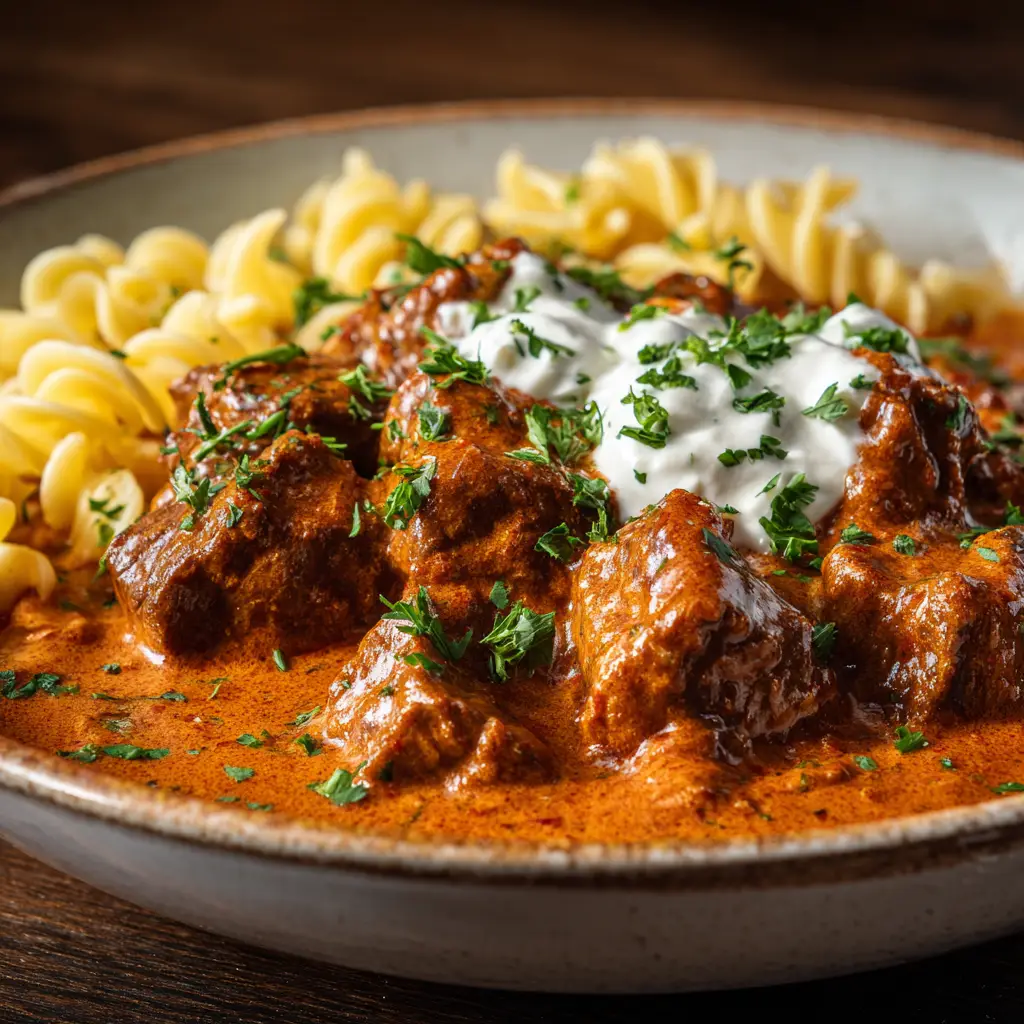
- Beef Chuck: Cut into 1.5-inch cubes for the perfect bite.
- Onions: The flavor backbone. Use yellow or white onions.
- Beef Broth: Provides a deep, savory base for the sauce.
- Tomato Paste: Adds umami depth and a hint of sweetness.
- Sweet Paprika: Use a high-quality sweet Hungarian or German paprika for the best flavor.
- Spices: Caraway seeds, dried marjoram, salt, and freshly ground black pepper are classic.
- All-Purpose Flour: To lightly coat the beef, helping it brown and thicken the stew.
- Fat: Lard, butter, or a neutral oil like canola for browning.
- Garlic: Freshly minced for aromatic depth.
- Optional: A splash of red wine for deglazing or a dollop of sour cream to finish.
Step-by-Step Instructions: Crafting the Perfect German Goulash Recipe
Patience is key. Follow these steps carefully, allowing the flavors to develop slowly for the most authentic and delicious result.
- Prepare the Beef: Pat the beef cubes dry with paper towels. In a small bowl, toss them with the flour, salt, and pepper until evenly coated.
- Sear the Beef: In a large Dutch oven or heavy-bottomed pot, heat your fat over medium-high heat. Working in batches, sear the beef on all sides until deeply browned. Do not overcrowd the pan. Transfer the browned beef to a plate and set aside.
- Sauté Aromatics: Reduce the heat to medium. Add the sliced onions to the same pot, scraping up any browned bits. Cook, stirring occasionally, for 15-20 minutes, until the onions are soft, sweet, and deeply golden brown. Add the minced garlic and cook for another minute until fragrant.
- Bloom the Spices: Stir in the tomato paste, sweet paprika, caraway seeds, and marjoram. Cook for 1-2 minutes, stirring constantly, until the spices are fragrant and the tomato paste has darkened slightly. This step is crucial for developing flavor.
- Simmer to Perfection: Return the seared beef and any accumulated juices to the pot. Pour in the beef broth, stirring to combine everything. Bring the mixture to a simmer, then reduce the heat to low, cover the pot, and let it cook for at least 2.5 to 3 hours, or until the beef is fork-tender.
- Finish and Serve: Check the seasoning and adjust with more salt and pepper if needed. If the sauce is too thin, you can let it simmer uncovered for a few more minutes to reduce. Serve hot with your favorite side.
Expert Tips for a Rich and Flavorful Goulash
To elevate your German Goulash from good to unforgettable, keep these professional tips in mind.
- Don’t Rush the Onions: The slow caramelization of the onions builds the foundational sweetness and depth of the entire dish. This is a step where patience pays off tenfold.
- Use Quality Paprika: Since paprika is a star flavor, using a fresh, high-quality sweet paprika will make a noticeable difference. Avoid old, stale spices from the back of your cabinet.
- Low and Slow is the Way to Go: The magic of goulash happens over a long, slow simmer. This is what breaks down the tough connective tissues in the beef, making it incredibly tender.
- Better the Next Day: Like many stews, German Goulash tastes even better the next day as the flavors have more time to meld together. It’s the perfect make-ahead meal.
Variations and Substitutions
While this recipe is classic, it’s also wonderfully adaptable. For a different but equally comforting meal, you might enjoy our simple American-style goulash recipe.
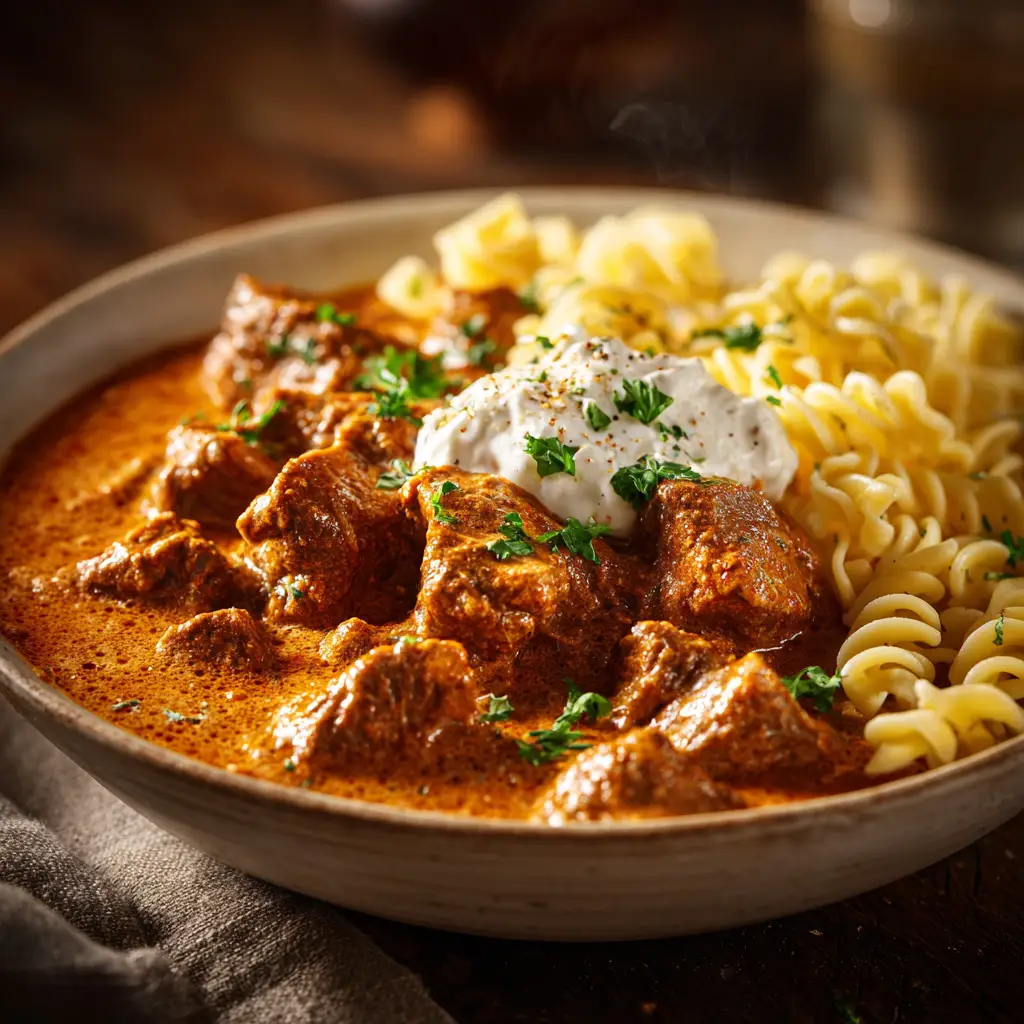
- Rahmgulasch (Creamy Goulash): For a richer, creamier sauce, stir in 1/2 cup of full-fat sour cream or heavy cream during the last 10 minutes of cooking. Be careful not to let it boil after adding the dairy.
- Add Red Wine: For an even deeper flavor, deglaze the pot with 1/2 cup of a dry red wine (like Merlot or Cabernet Sauvignon) after cooking the aromatics and before adding the broth.
- Pork Goulash (Schweinegulasch): You can easily substitute the beef with pork shoulder, cut into cubes, for another traditional German variation.
What to Serve with German Goulash
German Goulash is traditionally served with accompaniments that can soak up its delicious, savory sauce. The most classic pairings are German egg noodles (Spätzle) or hearty potato dumplings (Klöße). Simple boiled or mashed potatoes also work beautifully. For a comforting alternative, you could even serve it alongside our fluffy Butter Swim Biscuits. If you enjoy rich, slow-cooked meats, you should also try our famous Mississippi Pot Roast.
Storing and Reheating Instructions
Store leftover goulash in an airtight container in the refrigerator for up to 4 days. It can also be frozen for up to 3 months. To reheat, simply warm it gently in a pot over medium-low heat until heated through. You may need to add a splash of beef broth to loosen the sauce.
Frequently Asked Questions
Yes. Follow the steps for browning the beef and sautéing the aromatics on the stovetop. Then, transfer everything to a slow cooker and cook on low for 6-8 hours or on high for 3-4 hours, until the beef is tender.
This recipe uses flour to coat the beef, which naturally thickens the sauce as it cooks. If your sauce is still too thin at the end, you can simmer it uncovered for 10-15 minutes to allow it to reduce, or mix 1 tablespoon of cornstarch with 2 tablespoons of cold water and stir it into the simmering stew.
The unique flavor comes from the slow caramelization of a large quantity of onions, which provides a deep, sweet base. This is layered with the savory taste of beef, a moderate amount of sweet paprika, and aromatic spices like caraway and marjoram.
The best cut is beef chuck. Its excellent marbling and connective tissue break down during the slow cooking process, resulting in exceptionally tender meat and a rich, full-bodied sauce.
German goulash is typically a thick stew with a flavor profile based on beef, onions, and marjoram, with paprika as a supporting spice. Hungarian goulash is often more of a soup, heavily featuring paprika as the dominant flavor and sometimes including vegetables like potatoes and carrots.
Share Your Culinary Creation!
We hope you love this authentic German Goulash recipe as much as we do! It’s a true labor of love that is well worth the effort. If you make it, please leave a comment below and let us know how it turned out. Don’t forget to share your beautiful creations on Pinterest!

German Goulash Recipe
German Goulash Recipe (The Authentic Way)
Ingredients
Equipment
Method
- Pat the beef cubes dry with paper towels. In a small bowl, toss them with the flour, salt, and pepper until evenly coated.
- In a large Dutch oven, heat lard or oil over medium-high heat. Working in batches, sear the beef on all sides until deeply browned. Transfer the browned beef to a plate.
- Reduce heat to medium. Add sliced onions to the pot and cook for 15-20 minutes, until soft and deeply golden brown. Add the minced garlic and cook for one more minute until fragrant.
- Stir in the tomato paste, sweet paprika, caraway seeds, and marjoram. Cook for 1-2 minutes, stirring constantly, until fragrant.
- Return the beef to the pot. Pour in the beef broth, stir to combine, and bring to a simmer. Reduce heat to low, cover, and cook for 2.5-3 hours, or until beef is fork-tender.
- Check seasoning and adjust salt and pepper if needed. Serve hot with traditional German sides like spaetzle or potato dumplings.
Notes
This dish tastes even better the next day as the flavors meld together.