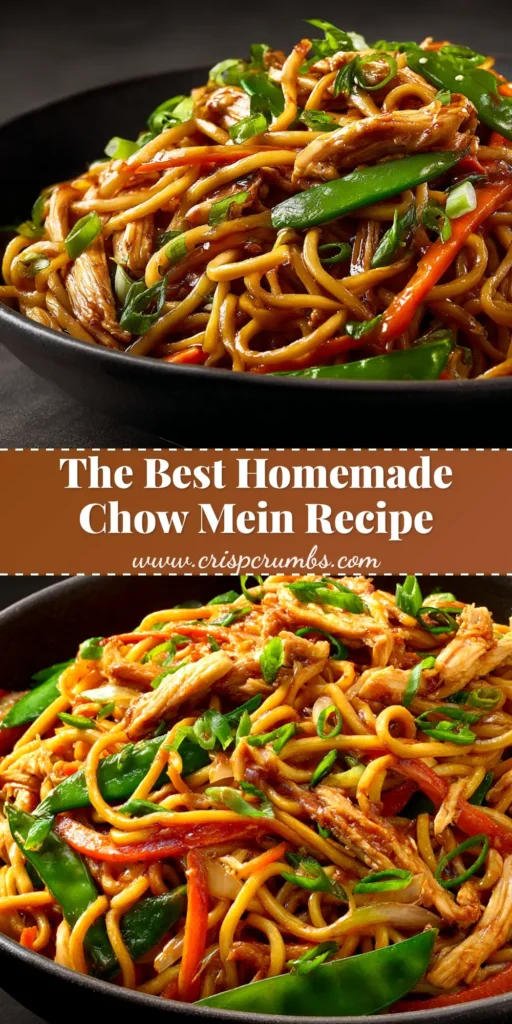
Craving a delicious, noodle-packed stir-fry that tastes even better than your favorite takeout spot? This easy Chow Mein Recipe is your answer. In less than 30 minutes, you can whip up a savory, satisfying meal packed with crisp vegetables and slurp-worthy noodles, all from one pan. Forget delivery fees and long waits; this is the homemade chow mein you’ll make again and again.
We’ve perfected the sauce, figured out the best noodles to use, and streamlined the process to make this Chow Mein Recipe incredibly simple for any home cook. It’s a versatile dish perfect for busy weeknights, and it’s guaranteed to be a hit with the whole family.
What is Chow Mein?
Chow Mein is a classic Chinese stir-fried noodle dish. The name translates to “stir-fried noodles,” which perfectly describes the cooking method. The noodles are typically par-boiled and then tossed in a hot wok or skillet with vegetables, a protein like chicken or shrimp, and a savory sauce. The goal is to get a slight char and crispiness on some of the noodles while keeping everything else tender-crisp.
Chow Mein vs. Lo Mein
It’s a common question! The main difference between Chow Mein and Lo Mein lies in the noodle preparation. For this Chow Mein Recipe, the noodles are fried or stir-fried to give them a crisper texture. In Lo Mein, fully cooked, soft noodles are simply tossed with the sauce and other ingredients at the very end. Think of Chow Mein as “fried noodles” and Lo Mein as “tossed noodles.”
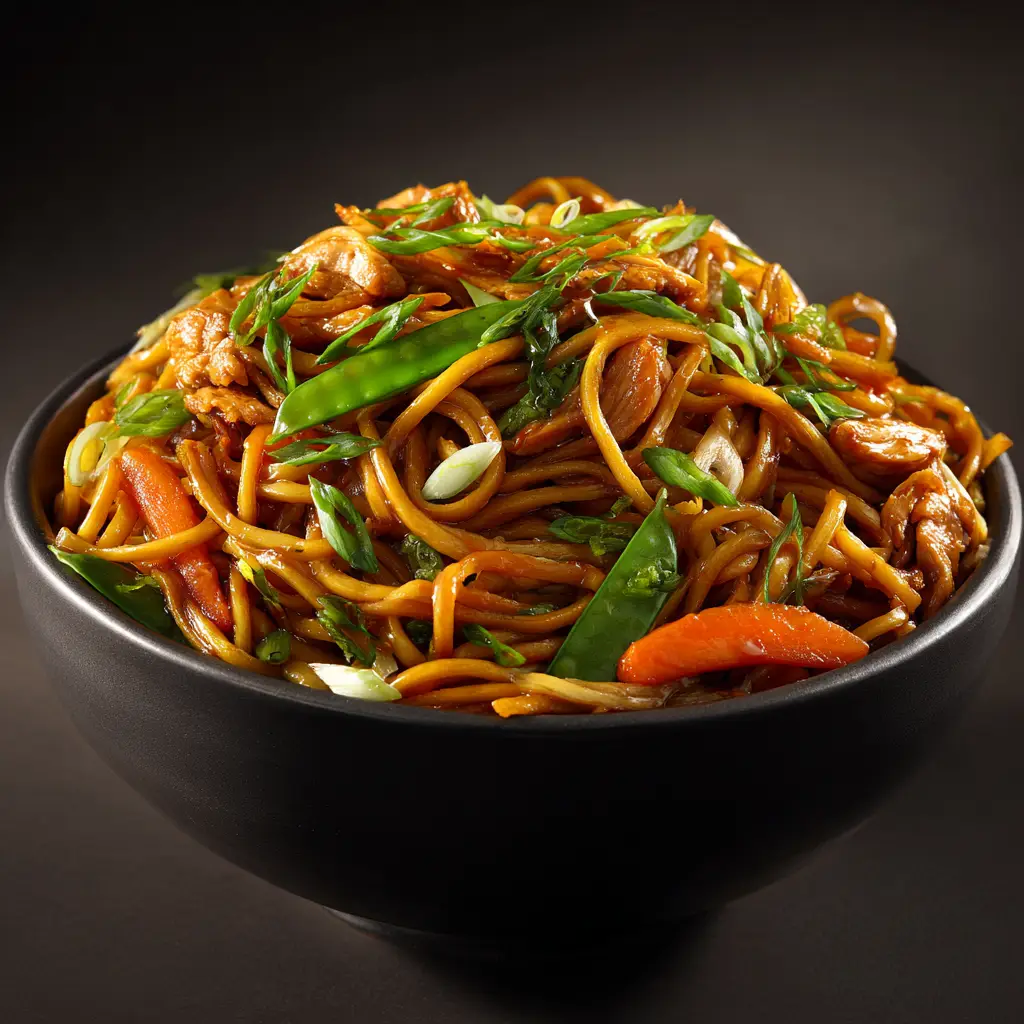
Why You’ll Love This Easy Chow Mein Recipe
- Better Than Takeout: It’s fresher, more flavorful, and you have complete control over the ingredients.
- Incredibly Fast: From prep to plate in under 30 minutes, making it the perfect weeknight dinner solution.
- Completely Customizable: Easily swap proteins or add your favorite vegetables. Have leftover steak? Try this amazing grilled steak bowl for another great idea.
- Simple Ingredients: Made with easy-to-find ingredients from your local grocery store.
Key Ingredients for Authentic Chow Mein
The magic of this dish comes from a few key components that work together to create that signature restaurant-quality flavor and texture.
The Best Noodles for Chow Mein
For the best results, look for either fresh or dried “Chow Mein” or “Yakisoba” noodles. These are typically thin, wavy egg noodles. If you can’t find them, you can also use ramen noodles (discard the seasoning packet) or even spaghetti in a pinch, though the texture will be slightly different.
The Perfect Chow Mein Sauce
This sauce is the heart of the dish! It’s a simple but perfectly balanced mixture of savory, sweet, and aromatic flavors.
- Soy Sauce: The savory, salty backbone of the sauce. Use a low-sodium version to control the salt level.
- Oyster Sauce: Adds a deep, complex umami flavor.
- Sesame Oil: Provides a nutty, aromatic finish. A little goes a long way!
- Cornstarch: The secret ingredient to thicken the sauce just enough so it clings beautifully to every noodle.
- Brown Sugar: Adds a touch of sweetness to balance the salty soy sauce.
Vegetables & Protein
This recipe uses a classic vegetable mix, but feel free to get creative!
- The Basics: We’re using shredded cabbage, julienned carrots, bean sprouts, and sliced green onions. They provide a wonderful crunch. For another recipe packed with delicious vegetables, consider this healthy sauteed vegetable dish.
- Protein: We’ve included chicken, but you can easily substitute it with beef, shrimp, pork, or tofu.
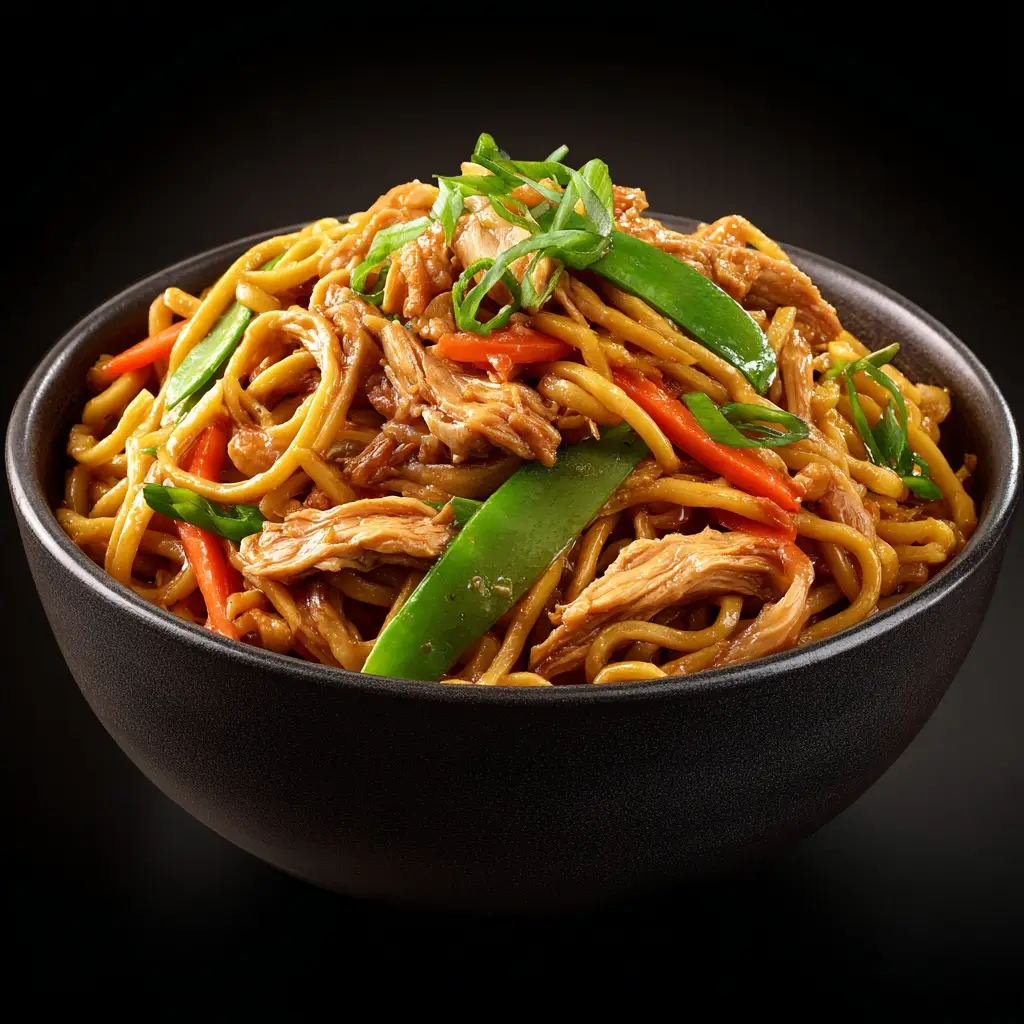
How to Make The Best Chow Mein Recipe
The key to a great stir-fry is preparation. Get all your ingredients chopped, measured, and ready to go before you even turn on the stove. This is a fast-moving recipe!
- Prepare the Noodles: Cook the chow mein noodles according to package directions, but slightly undercook them (by about 1 minute). Drain them well and rinse with cold water to stop the cooking process.
- Make the Sauce: In a small bowl, whisk together the soy sauce, oyster sauce, sesame oil, brown sugar, and cornstarch until smooth.
- Cook the Protein: Heat vegetable oil in a large wok or skillet over high heat. Add the chicken and cook until browned and cooked through. Remove the chicken from the wok and set it aside.
- Sauté the Vegetables: Add a bit more oil to the wok. Add the cabbage and carrots and stir-fry for 2-3 minutes until they begin to soften. Add the garlic and ginger and cook for another 30 seconds until fragrant.
- Combine Everything: Return the chicken to the wok. Add the cooked noodles and bean sprouts. Pour the sauce over everything and toss continuously for 2-3 minutes, until the noodles are heated through and lightly crisped and the sauce has thickened.
- Finish and Serve: Remove from the heat and stir in the sliced green onions. Serve your homemade chow mein immediately!
Tips for a Perfect Stir-Fry Every Time
Follow these simple rules to elevate your stir-fry game.
- Prep First (Mise en Place): The most important rule of stir-frying. Have every single ingredient ready before you start cooking.
- Use High Heat: A screaming hot wok or skillet is essential for getting that signature “wok hei” flavor and ensuring your vegetables stay crisp, not soggy.
- Don’t Crowd the Pan: Cook in batches if necessary. Overcrowding the pan will steam your ingredients instead of frying them. It’s a principle that also applies to dishes like our popular tater tot casserole.
Recipe Variations
One of the best things about this Chow Mein Recipe is its versatility. Try these popular variations:
- Beef Chow Mein: Use thinly sliced flank steak instead of chicken.
- Shrimp Chow Mein: Add raw shrimp in the last few minutes of cooking, just until they turn pink.
- Vegetable Chow Mein: Omit the protein and double the vegetables. Add broccoli, bell peppers, or mushrooms for more variety.
Storing & Reheating
Store leftover chow mein in an airtight container in the refrigerator for up to 3-4 days. To reheat, simply microwave for a minute or two or, for best results, toss it in a hot skillet with a splash of water or oil until heated through.
Frequently Asked Questions
Absolutely! To make a vegetarian version, simply omit the chicken and add extra vegetables like broccoli, bell peppers, and mushrooms. You can also add pressed, cubed tofu for protein.
There are three keys to preventing soggy chow mein: 1) Use very high heat. 2) Don’t overcrowd your pan, which steams the food. 3) Slightly undercook your noodles before adding them to the wok, as they’ll finish cooking in the sauce.
A classic chow mein sauce is a simple mix of soy sauce for saltiness, oyster sauce for umami depth, a touch of sugar for balance, and toasted sesame oil for aroma. A little cornstarch is often added to thicken the sauce so it coats the noodles perfectly.
The main difference is the noodle preparation. In chow mein, the noodles are stir-fried to be slightly crispy. In lo mein, soft, fully-cooked noodles are simply tossed with the sauce and ingredients.
The best noodles are thin, wavy egg noodles often labeled as ‘chow mein’ or ‘yakisoba’ noodles. You can find them fresh or dried. In a pinch, ramen noodles or even spaghetti can work as a substitute.
The Ultimate Chow Mein Recipe
Chow Mein Recipe (Better Than Takeout)
Ingredients
Equipment
Method
- Cook chow mein noodles according to package directions, undercooking by 1 minute. Drain and rinse with cold water. In a small bowl, whisk together all sauce ingredients: soy sauce, oyster sauce, brown sugar, sesame oil, and cornstarch. Set aside.
- Heat vegetable oil in a large wok or skillet over high heat. Add the thinly sliced chicken and cook, stirring occasionally, until browned and cooked through. Remove from the wok and set aside.
- Add a bit more oil to the hot wok. Add the shredded cabbage and julienned carrots. Stir-fry for 2-3 minutes until they are tender-crisp. Add the minced garlic and grated ginger and cook for 30 seconds more until fragrant.
- Return the cooked chicken to the wok. Add the drained noodles and bean sprouts. Pour the prepared sauce over everything. Toss constantly for 2-3 minutes until the sauce thickens and coats everything evenly and the noodles are heated through. Remove from heat.
- Stir in the sliced green onions and serve immediately.
Notes
Tip 2: Ensure your wok or skillet is very hot before adding ingredients to get a proper stir-fry and prevent sogginess.
Tip 3: Don't overcook the noodles initially; they will cook more in the wok.
Share Your Creation!
We hope you love this easy and delicious Chow Mein Recipe as much as we do! It’s a true game-changer for weeknight dinners. If you make it, we’d love to hear your thoughts. Please leave a comment and rating below. And don’t forget to share your masterpiece on Pinterest!